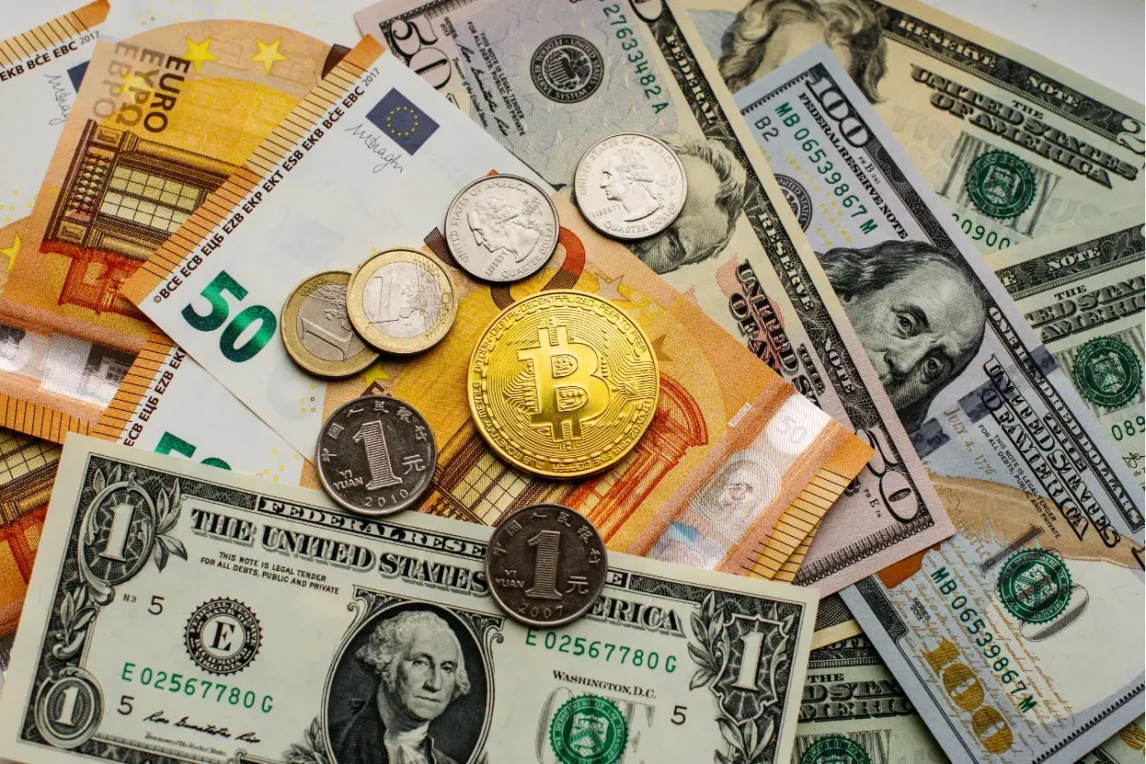
Money Meaning: A Comprehensive Exploration of Its Role and Significance

What Money Really?
Most of us chase it, worry about it, celebrate it, and argue over it every single day — yet very few people ever stop to ask the simple question: What is money, really?
It’s easy to think of money as cash in your wallet or numbers on a banking app. But when you pull the lens back, money reveals itself as one of humanity’s most brilliant and dangerous inventions: a social agreement wrapped in trust, power, psychology, and history.
This isn’t another “save 10% of your income” article. This is a full exploration of money’s essence — where it came from, why it works, how it shapes behavior, and what it actually represents in 2025 and beyond.
The Three Classic Functions of Money (And Why They Still Matter)
Economists agree that good money must do three things well-
| Function | What It Means | Real-World Example | What Happens When It Fails |
|---|---|---|---|
| Medium of Exchange | Lets you trade without bartering | You buy coffee with a card instead of trading your watch | Transactions grind to a halt (think hyperinflation in Venezuela) |
| Unit of Account | Provides a common yardstick for value | A car costs $35,000 and a latte costs $5 — easy comparison | Pricing chaos; no one knows what anything is “worth” |
| Store of Value | Holds purchasing power over time | Savings account or gold preserves wealth | Inflation eats your money (Weimar Germany 1923, Zimbabwe 2008) |
If any one of these breaks, the entire system wobbles. That’s why central banks obsess over inflation targets around 2%.
A Very Short (But Honest) History of Money
| Era | Form of Money | Key Innovation / Limitation |
|---|---|---|
| Pre-3000 BCE | Barter | Direct trade of goods — painfully inefficient |
| ~3000 BCE – 700 BCE | Commodity money (cattle, shells, salt, grain) | Had intrinsic value but bulky and perishable |
| ~700 BCE | First coins (Lydia, modern Turkey) | Standardized weight & purity, stamped with king’s mark |
| 7th–13th century CE | Paper money in China | Government-issued notes backed by silver/gold |
| 17th–20th century | Gold standard | Currencies convertible to fixed amount of gold |
| 1971–present | Fiat money | Value by government decree + collective trust |
| 2009–present | Cryptocurrency | Decentralized, no central issuer |
The trend is clear: we’ve moved from money that has inherent value (gold, shells) to money whose value exists purely because we all agree it does.
That 2025 dollar in your Apple Wallet? It’s just digits backed by the full faith and credit of the United States government — and your continued belief that tomorrow someone will still accept it for groceries.
Fiat Money: The Greatest Confidence Trick That Actually Works
A brand-new $100 bill costs the U.S. Treasury about 17 cents to print. Yet you’ll happily trade several hours of your life for one.
This only works because-
- Laws say it’s legal tender for all debts public and private
- Taxes must be paid in dollars (creating built-in demand)
- The Federal Reserve carefully manages supply to avoid runaway inflation/deflation
- 330 million Americans (and much of the world) trust the system won’t collapse tomorrow
When that trust cracks — Weimar Germany, Zimbabwe, Venezuela — people rush back to cigarettes, sacks of rice, or even U.S. dollars as money.
Money as Social Status, Identity, and Emotion
Different cultures, different meanings-
- In some East Asian cultures openly discussing your salary is perfectly normal,
- In many Western European countries asking someone’s income is almost rude,
- In parts of Latin America “keeping up appearances” can matter more than actual wealth,
- Silicon Valley celebrates “optionality” — having enough money to never need to work again,
Money also changes how we think. The famous 2011 “monopoly money” studies showed people who were primed to think about money became more selfish and less helpful. Scarcity mindset makes us tunnel-visioned; abundance mindset makes us more generous (counter-intuitively, the very rich often donate a lower percentage of income than the middle class).
The Rise of Digital and Decentralized Money
In 2025 most “money” never exists as physical cash-
- ~92% of the world’s money is digital (Bank of England estimate)
- Central Bank Digital Currencies (CBDCs) are already live in the Bahamas, Jamaica, Nigeria and being piloted in over 100 countries
- Bitcoin has survived multiple “death” declarations and now has a market cap larger than most countries’ GDP
Whether you love or hate crypto, it forced a profound question: Does money need a government to work?
Practical Insights: How Understanding Money’s True Nature Helps You Today
- Inflation is a hidden tax
If inflation runs at 7% and your savings account pays 1%, you’re quietly losing 6% purchasing power every year. Real return matters more than nominal. - The difference between money and wealth
Money is a claim on resources. Wealth is the actual resources (skills, businesses, real estate, intellectual property). Focus on building the second. - Liquidity tiers matter
- Tier 1: Cash & checking (emergency fund)
- Tier 2: Short-term safe investments (high-yield savings, Treasuries)
- Tier 3: Longer-term growth assets (stocks, real estate, business)
Most financial stress comes from having too much in Tier 3 and not enough in Tier 1.
- Compound interest is real, but so is compound fees
A 1% higher fee over 40 years can cut your final retirement balance by ~25%. Read the fine print. - Multiple income streams beat a high salary
The median millionaire has seven income streams (IRS data on actual millionaires).
The Philosophical Question Nobody Wants to Answer Honestly
If money is just a shared belief system, then-
- Why do we let it cause so much anxiety?
- Why do we judge people’s worth by their net worth?
- Why do we sacrifice health, family, and happiness chasing more of something that’s ultimately imaginary?
Money is an excellent servant but a terrible master.
Final Thought
Money is the most successful story humanity has ever told itself. It turned strangers into trading partners, tribes into nations, and ideas into skyscrapers and iPhones.
But stories can be rewritten.
The next chapter of money — whether CBDCs, crypto, AI-driven universal basic income, or something we can’t yet imagine — will be written by those who understand not just how money works, but why we created it in the first place.
So the real question isn’t “How much money do you have?”
It’s “What do you believe money actually is — and is that belief serving you?”
Because once you see money for what it truly is — a tool built on trust and agreement — you stop being its servant and start deciding how the story continues.
What do you think money really means? Drop your thoughts in the comments — I read every single one.