
Kefir: The King of Fermented Foods

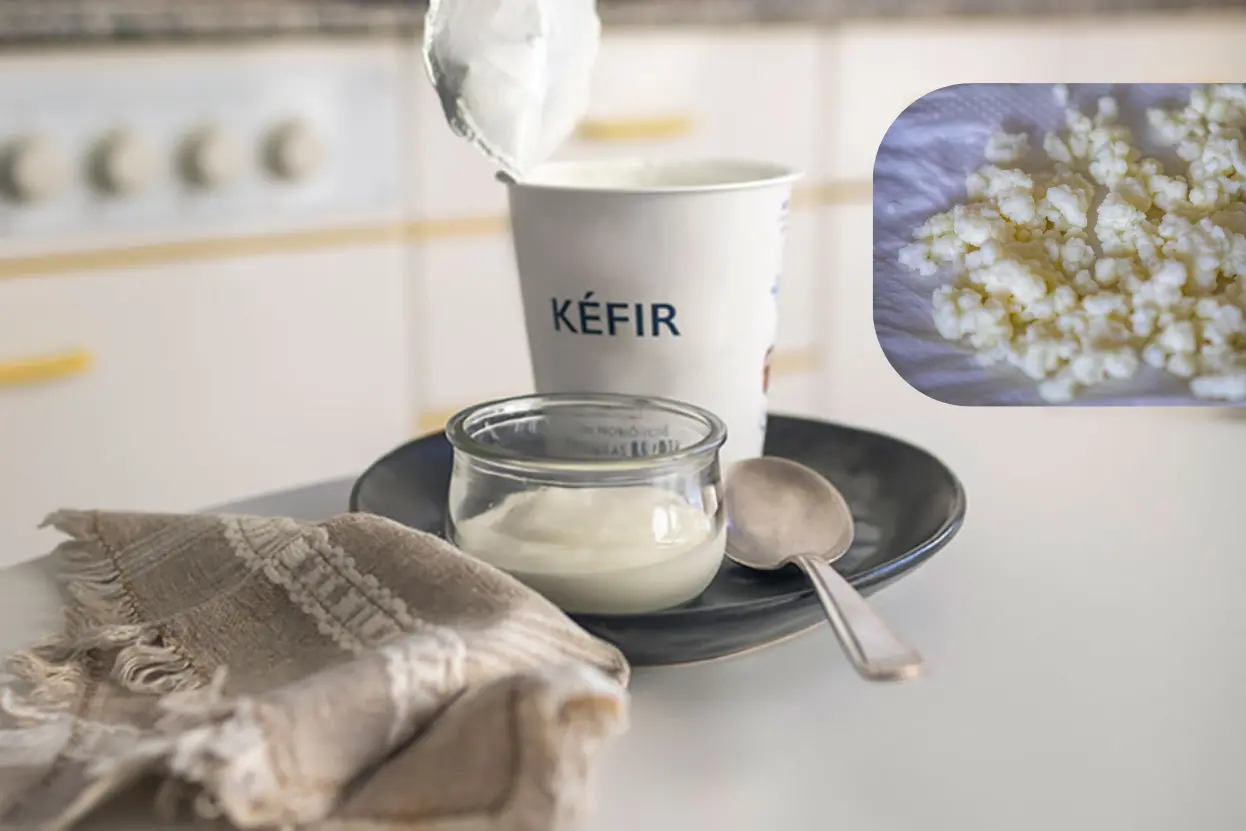
Kefir has earned its nickname as the “King of Fermented Foods” for good reason—it’s a creamy, fermented milk drink loaded with probiotics that can do wonders for your body. What sets it apart from everyday yogurt or even lassi is the incredible mix of good bacteria and yeast it packs in. If you’re into gut health, this stuff is a game-changer.
Hailing from the North Caucasus region, kefir was once a hidden gem treasured by local tribes for hundreds of years. But in the last few decades, it’s exploded in popularity worldwide, thanks to its impressive perks like stronger immunity and smoother digestion. Seriously, if you’re not already sipping on this nutritional powerhouse, it’s time to add it to your routine.
In this post, I’ll take you through kefir’s backstory, its amazing benefits, how to whip it up at home, and why it holds such a special place in different cultures. Whether you’re just hearing about it or you’ve been a fan for ages, you’ll walk away with all the info you need on this probiotic champ.
Keywords: Kefir, probiotics, fermented foods, gut health, kefir grains, immunity, digestion, North Caucasus, superfood.
So, What Exactly Is Kefir?
At its core, kefir is a tangy dairy drink created by mixing milk with these things called kefir grains. Don’t let the name fool you—they’re not grains like wheat or rice, but clusters of bacteria and yeast that look a bit like squishy cauliflower bits. These little guys ferment the milk, turning it into something special.
The end product is a fizzy, sour beverage brimming with probiotics. Unlike yogurt, which mostly uses bacteria for fermentation, kefir brings yeast into the mix too. That combo of lactic acid and a touch of alcohol fermentation gives it that distinct zing and bubbly feel.
When it comes to probiotics, kefir blows yogurt out of the water with anywhere from 30 to over 50 strains of helpful microbes, compared to yogurt’s handful (usually 2-7). No wonder it’s crowned the probiotic king—it’s like a supercharged boost for your gut.
Kefir’s Roots: A Trip Back in Time
Kefir’s origins trace back to the wild mountains of the North Caucasus, covering parts of southern Russia, Georgia, Armenia, and Azerbaijan. For more than a millennium, the tribes there have been making it the old-school way. They treated those kefir grains like sacred treasures, convinced that sharing them with outsiders would strip away their magic.
It stayed under wraps until the early 1900s. Families handed down the grains and techniques like family heirlooms, and the people in those areas were known for living super long lives—often over 100. That caught the eye of folks outside, especially some Russian researchers eager to figure it out.
The big breakthrough happened in 1908 after some serious detective work, complete with political maneuvering and even a dash of romance. It all came together when Irina Sakharova, on a mission from the Blandov brothers who ran a dairy in Moscow, managed to snag some grains from a tribal chief. That was the spark that launched kefir onto the world map.
The Magic Science of Kefir
What makes kefir so special boils down to that teamwork between bacteria and yeast in the grains. They team up to ferment the milk, breaking lactose—the sugar in milk—into easier-to-digest bits. For anyone who’s lactose intolerant, this is huge because it can zap up to 99% of the lactose, making kefir way more tummy-friendly.
Inside, you’ll find a bunch of probiotics like Lactobacillus, Bifidobacterium, and different yeasts. These settle in your gut, keeping things balanced by crowding out the bad bacteria. The payoff? Better digestion, a tougher immune system, and your body soaking up nutrients more efficiently.
Elie Metchnikoff, the Russian scientist who snagged a Nobel Prize in 1908, was one of the first to shine a light on this. In his 1907 book, The Prolongation of Life, he connected gut health to living longer. He pointed out how the Caucasus folks’ love for fermented milks like kefir seemed to keep them healthy and kicking well into old age.
Why Kefir Is a Health Hero
Kefir isn’t just tasty—it’s got a ton of benefits that make it essential for anyone watching their health. Let’s break it down-
- Supercharges Your Gut
With all those varied probiotics, kefir helps maintain a healthy balance in your microbiome. It encourages the good guys to thrive while keeping the troublemakers in check, which cuts down on inflammation and keeps your digestive system running smoothly. - Eases Digestion Woes
If you’re dealing with stuff like constipation, diarrhea, or IBS, kefir might just be your new best friend. The probiotics help get your bowels on track and calm any irritation. - Strengthens Your Defenses
Since most of your immune system lives in your gut, kefir’s got your back there too. It amps up the gut’s immune tissues, helping you fight off bugs and maybe even lowering the odds of long-term illnesses. - Lifts Your Mood
Thanks to the gut-brain connection, a happy gut can mean a happier you. Kefir’s microbes might help dial down anxiety and depression by influencing your brain chemistry. - Boosts Nutrient Uptake
It makes it easier for your body to grab key stuff like calcium, magnesium, phosphorus, and vitamins B and K. Perfect if you’re low on any of those. - Great for Lactose Issues
That thorough fermentation means less lactose, so even if dairy usually bothers you, kefir could let you enjoy those benefits without the hassle.
DIY Kefir: Easy Steps for Home Brewing
Whipping up kefir yourself is straightforward and saves you money. You just need some kefir grains and milk—whether it’s from cows, goats, sheep, buffalo, or even plant-based like coconut or almond. Here’s how to do it-
What You’ll Need-
- 1 liter of milk (pasteurized or raw works)
- About 50 grams of kefir grains
Steps-
- Get the Milk Ready: For pasteurized, boil it first and cool it down to room temp (around 20-25°C). Fresh raw milk? You can skip the boiling.
- Toss in the Grains: Drop the 50 grams of grains into a clean glass jar, then pour in the milk.
- Give It a Stir: Mix it lightly so the grains spread out.
- Let It Ferment: Cover with a cloth that breathes (think cheesecloth) and tie it on with a band. Stash it somewhere warm and dark—maybe wrap it in a towel—for 12-24 hours.
- Strain It Out: When it’s done, pour through a plastic or wooden sieve to catch the grains. The liquid left is your kefir!
- Store and Repeat: Pop the kefir in the fridge. Rinse the grains gently and they’re good for round two.
Pro Tip: Those grains grow over time, so you can pass some along or keep extras in a bit of milk in the fridge.
Kefir vs. Yogurt: Spotting the Differences
Sure, both are fermented dairy delights, but they’re not twins. Here’s the scoop-
- Probiotic Punch: Kefir’s got 30-50+ strains, yogurt sticks to 2-7. Kefir wins for gut support.
- How They Ferment: Yogurt’s all about bacteria making lactic acid. Kefir adds yeast for that extra fizz from alcohol fermentation.
- Lactose Levels: Kefir breaks down almost all of it (99%), so it’s easier on the stomach than yogurt.
- Feel and Flavor: Kefir’s runnier and bubbly; yogurt’s thick and smooth.
If probiotics are your goal, go with kefir every time.
Kefir’s Place in Culture
For the Caucasus tribes, kefir was sacred—more than just food, it was part of their lore. They thought the grains had mystical powers that would fade if shared, which is why it stayed local for so long.
That changed in 1908 when Irina Sakharova pulled off a bold move to get grains from a chief, with help from Tsar Nicholas II. Soon after, kefir hit Russia big time. By the 1930s, it was a go-to in Soviet hospitals for treating gut problems, TB, and boosting weak immune systems.
In the ’50s and ’60s, the Soviets made it official, including it in kids’ diets across the board. It spread through Eastern Europe to places like Poland and Hungary. The West didn’t catch on until the ’60s, but by the ’90s and 2000s, with everyone talking probiotics, kefir went mainstream globally.
How Kefir Went Worldwide
From a tribal secret to a supermarket staple, kefir’s rise is pretty epic. Russia and Eastern Europe were all over it by the ’30s for health reasons. The West lagged behind until the ’60s health craze, but the probiotic boom in the ’90s sealed the deal.
Now, you can find it everywhere, in dairy or vegan versions. Drink it plain, mix it in smoothies, or cook with it—it’s super adaptable and keeps gaining fans.
Sourcing Kefir Grains
The grains are key to real kefir. Here’s where to hunt them down-
- Online Shops: Check Amazon, eBay, or niche health sites for live ones.
- Health Stores Near You: Some stock fresh or dried grains.
- Community Shares: Forums or local groups often give them away since they multiply.
- From Folks You Know: Ask around—if someone’s brewing, they might spare some.
Go for active, live grains. If they’re dried, soak ’em in milk to wake them up.
Ways to Sneak Kefir into Your Meals
Kefir’s so flexible—here are some fun ideas-
- Straight Up: Chug it cold for a zesty pick-me-up.
- In Smoothies: Blend with fruits, veggies, and a bit of honey.
- Morning Bowls: Top with granola, nuts, and berries.
- In Recipes: Swap for buttermilk in baked goods like pancakes or muffins.
- Dips and More: Stir in herbs for dressings or sauces.
Ease in with 100-200 ml a day so your gut can get used to it.
Watch Out: Possible Downsides
Kefir’s mostly harmless, but newbies might notice-
- Tummy Upset: A little bloating or gas at first while things settle.
- Allergy Alert: Dairy-sensitive? Try non-dairy options.
- For Some Folks: If your immune system’s compromised, chat with a doc first.
Keep everything clean when making it to avoid any nasties.
Kefir’s Bright Future
With everyone focusing on wellness these days, kefir’s only going up. Studies are digging into more perks, like heart support and fighting inflammation. The mental health angle through the gut-brain link is exciting too.
It’s easy to make or buy, so it’s for everyone. If better digestion, immunity, or just a yummy drink is what you want, kefir’s got it.
Kefir’s way more than a drink—it’s your ticket to top-notch health. Drawing from ancient traditions, its probiotics supercharge your gut, immunity, and even your mindset. From those Caucasus mountains to shelves around the world, it’s proven its staying power.
Why not give it a shot? Brew some at home or grab a bottle next time you’re out. Your body will be grateful!