
Google Pay Set to Launch in Bangladesh: A New Era for Digital Payments
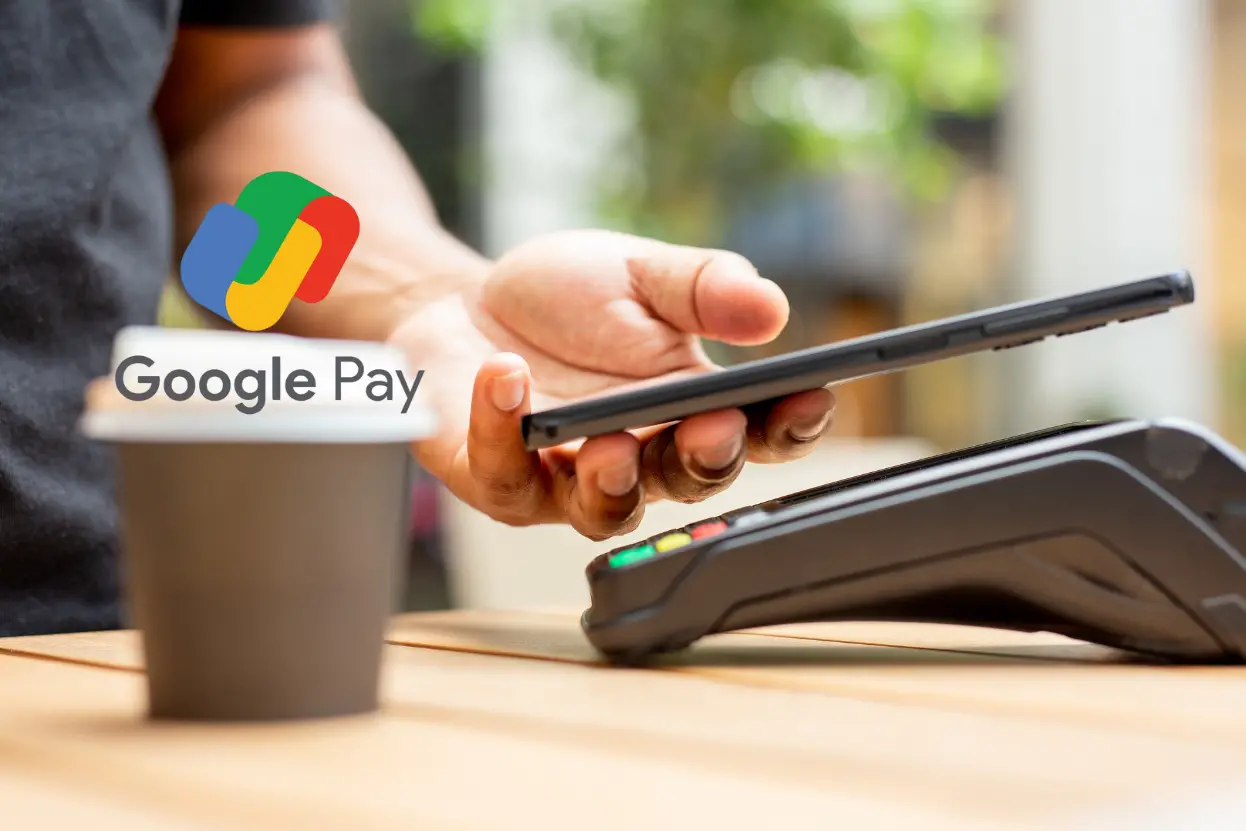
Dhaka, Bangladesh – June 28, 2025 – In a significant development for Bangladesh’s financial landscape, Google Pay is poised to launch its services in the country, potentially as early as late June or the first week of July. This move, facilitated primarily through a partnership with City Bank, marks a transformative step toward enhancing digital transactions in Bangladesh, promising greater convenience and accessibility for users.
A Seamless Digital Wallet Experience
Google Pay, a globally recognized digital payment platform, will allow users to make instant transactions using their smartphones. By integrating with City Bank’s infrastructure, the service will initially support local currency cards issued by the bank, with plans to expand to other financial institutions in the future. The platform leverages QR code technology, enabling users to send and receive payments effortlessly by scanning codes, eliminating the need for physical cards or cash in many scenarios.
“Google Pay acts as a medium, facilitating direct transfers between bank accounts without holding funds itself,” explained Tanmoy Modak, a staff correspondent for TVS, during a recent special show. “For example, if both the sender and receiver are City Bank customers, the sender can scan a QR code on the receiver’s phone, input the amount, and the funds will transfer instantly to the recipient’s account.”
No Additional Fees from Google Pay
One of the standout features of Google Pay’s launch in Bangladesh is its fee structure. Unlike some mobile financial services (MFS) like bKash, Nagad, or Rocket, which charge fees for cash-out transactions, Google Pay will not impose additional charges for transactions. However, banks like City Bank may apply a nominal fee, typically ranging from 0.5% to 1% per transaction, depending on the service. For instance, a 1,000 BDT transaction might incur a fee of just 5 BDT, significantly lower than the 15–20 BDT often charged by MFS platforms.
This competitive pricing is expected to create a dynamic shift in the market, potentially challenging existing MFS providers to reconsider their fee structures. “The introduction of Google Pay could push MFS platforms to lower their charges to remain competitive,” Modak noted, citing the platform’s success in markets like India, where it accounts for 51% of Unified Payments Interface (UPI) transactions.
Integration and Accessibility
The launch of Google Pay in Bangladesh has been meticulously planned, with City Bank leading the charge due to its robust IT infrastructure and recent governance improvements supported by the International Finance Corporation (IFC). Bangladesh Bank granted approval for the service two to three weeks ago, paving the way for its integration without the need for separate regulations, as Google Pay operates as an intermediary rather than a financial institution.
For users, getting started with Google Pay is straightforward. Android users can download the app from the Google Play Store, while integration with Apple devices may be limited due to Apple Pay’s competing ecosystem. Once installed, users can add their City Bank card details—such as card number, expiry date, and CVV code—to the app. For those with existing card information linked to their Google accounts, the setup process is even simpler, as the app can automatically retrieve these details.
A Step Toward a Cashless Economy
The arrival of Google Pay aligns with Bangladesh’s broader push toward a cashless economy. By enabling seamless digital transactions, the platform addresses a critical gap in the market, particularly in rural areas where access to bank booths or POS machines is limited. “Imagine being in a village where a shop has a Google Pay QR code displayed. You can make a payment instantly without needing cash or a card,” Modak said, highlighting the platform’s potential to enhance financial inclusion.
Globally, Google Pay has reduced reliance on physical cards in countries like Singapore, Malaysia, and India, where digital transactions have surged. In Pakistan, for instance, the platform’s launch on March 12, 2025, led to a noticeable increase in digital transaction volumes. Bangladesh is expected to follow a similar trajectory, with Google Pay offering a convenient alternative for everyday transactions, from paying for rickshaw fares to settling restaurant bills or purchasing tickets.
Impact on Existing Financial Systems
While Google Pay introduces significant advantages, it also poses a competitive challenge to established MFS platforms. Services like bKash, a market leader in Bangladesh, have thrived on instant cash accessibility. However, their cash-out fees have been a point of contention for users. Google Pay’s fee-free model for direct transactions could disrupt this landscape, encouraging MFS providers to innovate and potentially lower their charges.
Moreover, Google Pay’s integration with local currency cards opens new possibilities for international transactions. Users with dollar-endorsed cards can leverage the platform for foreign currency payments, such as subscribing to services like Netflix or purchasing online courses, which have historically been challenging due to restrictions on dual-currency cards.
Looking Ahead
As Bangladesh prepares for Google Pay’s launch, the platform is set to redefine convenience in digital payments. By reducing the need for physical cards and offering a cost-effective alternative to existing MFS platforms, Google Pay could accelerate the country’s transition to a cashless society. “Your phone becomes everything—your wallet, your card, your ticket to convenience,” said Sajjadur Rahman, the TVS show host, encapsulating the transformative potential of this service.
For now, users eagerly await the official rollout, expected within the next month. As Modak emphasized, “This is a positive development for Bangladesh, bringing global standards of digital payments to our doorstep.” With City Bank leading the initiative and other banks likely to follow, Google Pay’s arrival marks a pivotal moment in the nation’s financial evolution.


I have confusion between Google Pay and Google Wallet!