
The History of Money: From Barter to Digital Currency
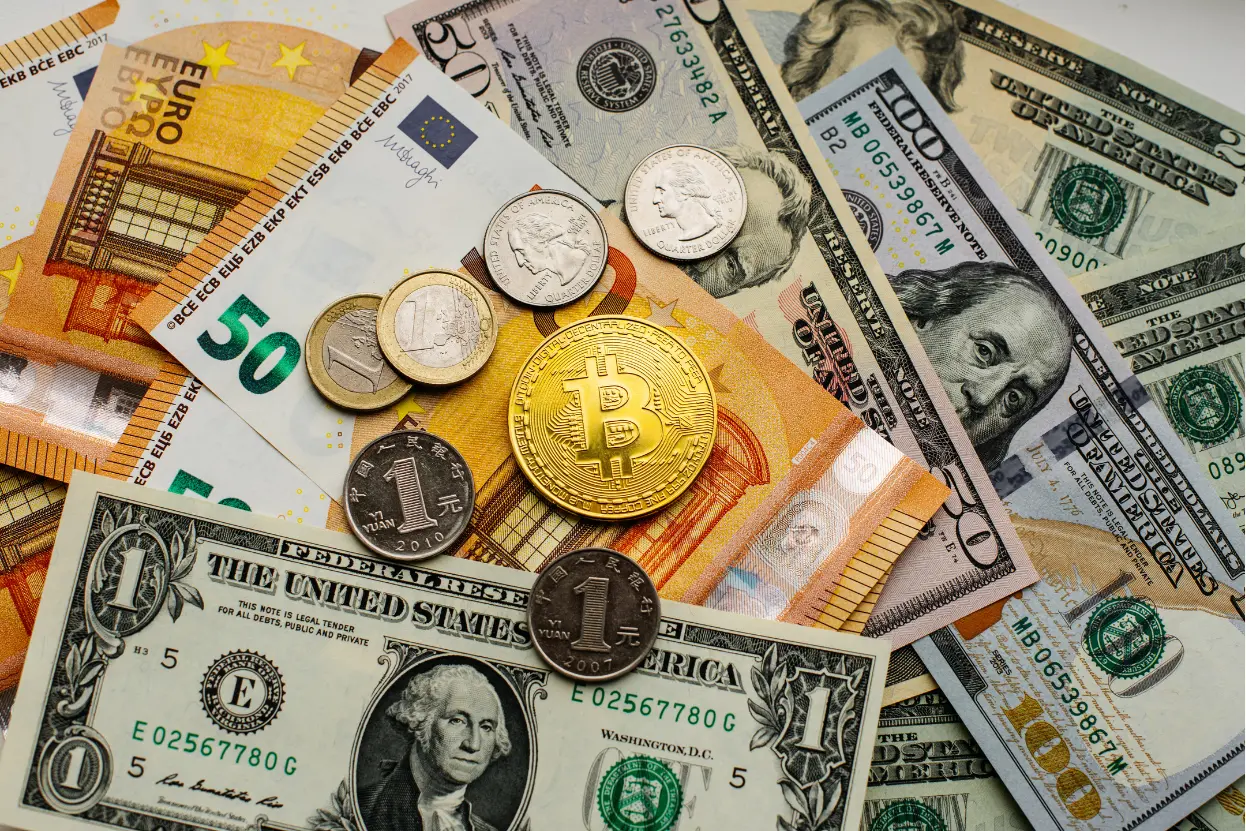
Let’s discuss the history of money, how Humanity Learned to Trade, Trust, and Transform Value.
If you’ve ever stood at a checkout counter patting your pockets and realizing your wallet isn’t there, you probably felt a tiny wave of panic. These days, no wallet usually means no ability to buy anything—unless you happen to remember your phone or smartwatch. What’s funny is that if you were alive a few thousand years ago, you could walk around completely empty-handed and still buy dinner. Money, as we understand it today, simply didn’t exist. And honestly? People got along surprisingly well without it, at least for a while.
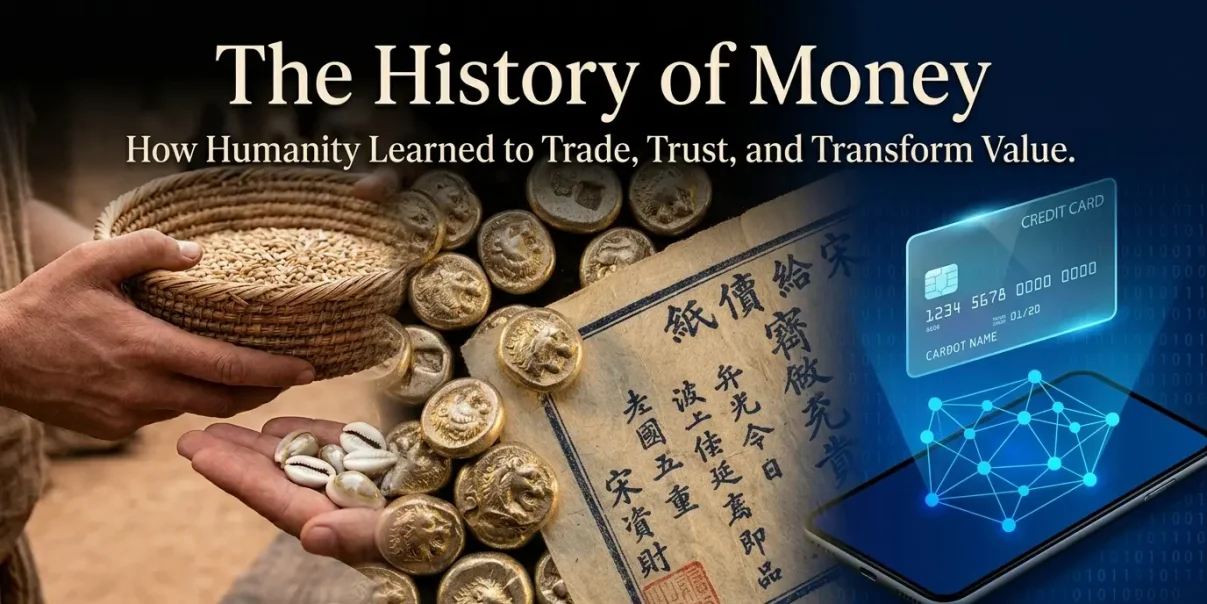
The story of money is, in many ways, the story of human civilization. Not a dry timeline, but a living, evolving response to our needs—sometimes sensible, sometimes desperate, always inventive. When I started researching the deeper history behind coins, bills, banking, and digital transactions, I realized how dramatically money has changed—and how every change reveals something about us.
Let’s walk through that long journey, slowly and carefully, and not in the overly tidy way textbooks sometimes present it. History is rarely neat, and the history of money is wonderfully messy.
Before Money: When Trade Was Personal, Practical, and Local
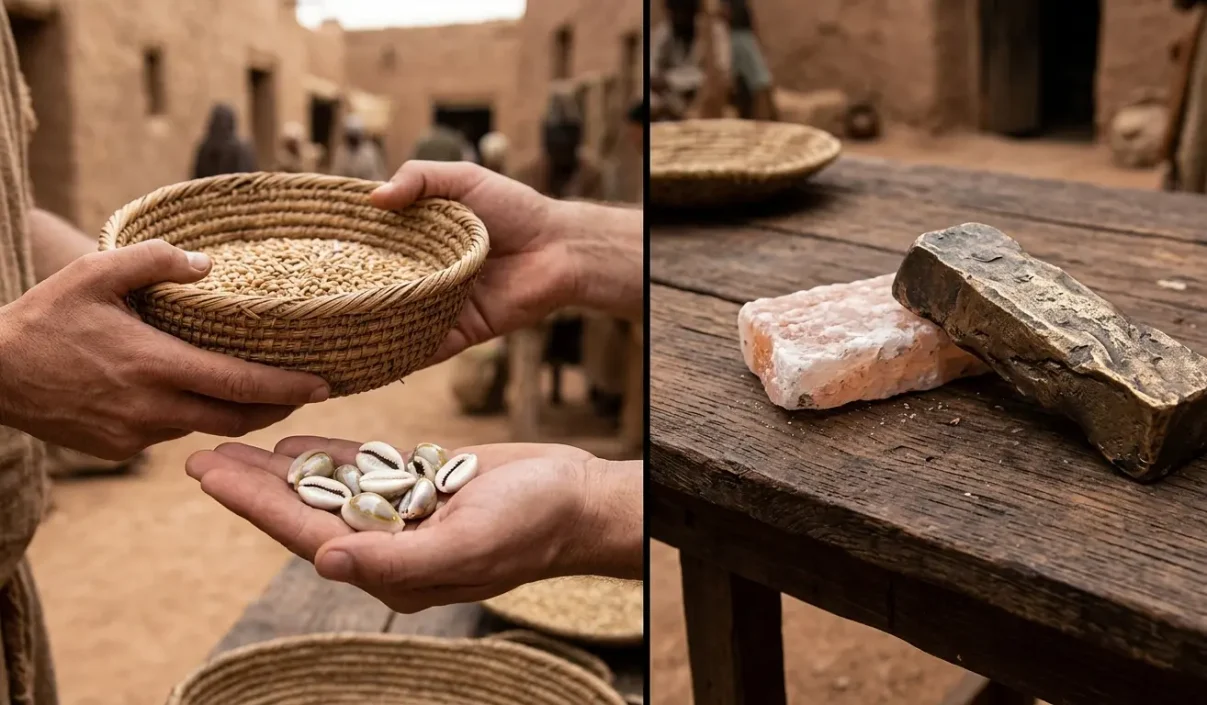
Imagine a world without cash registers, receipts, wallets, or banks. In small early human communities, trade happened through barter—a direct exchange of things people made or collected.
A herder had extra goat milk but needed grain. A potter had beautiful bowls but needed meat. A carpenter repaired someone’s hut and received vegetables in return. There was no “store” of value—only whatever you had in your hands or whatever skill you could offer.
This system wasn’t romantic; it simply matched the scale of society at the time.
Why Bartering Actually Worked… to a Point
When communities were small-
- Everyone knew everyone else
- Needs were simple
- Production stayed within households
- Trust was built through repeated interactions
If you cheated someone, you didn’t just lose a customer—you lost your social standing. In a village of a few dozen people, that mattered more than money ever could.
But once societies grew, cities formed, and people specialized, barter hit a wall. A system that feels almost cozy in a small village becomes chaotic when thousands of people try to trade with each other.
Barter’s Biggest Problems
The famous “double coincidence of wants” is the obvious one. You might have fish, but the person with the wool you need might hate fish. And if your goods spoiled—meat, fruit, milk—you couldn’t store value for future trade. There was also no standardized measure of how much anything was “worth.”
Was one sheep equal to six clay bowls? Or four? Or ten if the potter was having a bad week?
This lack of structure made trade frustrating and unpredictable. Barter was good enough for small, personal societies—but not for growing civilizations. People needed something better. Something everyone trusted. Something that didn’t rot or mold or wander away like a goat.
The First Attempts: When Human Beings Turned Objects Into Symbols of Value
Before coins or banknotes, people began using special items—things rare enough or beautiful enough that everyone agreed they were valuable. This wasn’t yet money in the modern sense, but it was the seed of the idea.
Cowry Shells: The First Widely Accepted Currency
Cowry shells were used for centuries across Asia, Africa, and the Pacific. If you’ve ever seen a cowry shell, you know how strangely elegant they look—smooth, glossy, almost like tiny carved sculptures. Their natural scarcity made them perfect as symbols of value.
And importantly:
You couldn’t make fake ones without being caught immediately. Nature did the minting.
Salt, Grain, Livestock, and Metal Chunks
- Romans paid soldiers in salt, giving birth to the word “salary.”
- Ancient Mesopotamians used grain receipts, often cited as the earliest written financial records.
- Various African and European societies used iron, bronze, or copper ingots—heavy, but durable.
- Livestock served as wealth storage in pastoral cultures long before bank vaults existed.
All these items functioned as commodity money, which means their value wasn’t symbolic—they had real utility or rarity.
But commodity money had problems. Metal chunks weren’t fun to carry. Livestock ate, slept, died, or wandered off. Salt dissolved. Grain rotted. And cowry shells, for all their beauty, weren’t convenient for large-value transactions (imagine paying for a house with a sack of shells).
People needed something more reliable and, above all, more manageable.
The Arrival of Coins: A Turning Point in Economic History
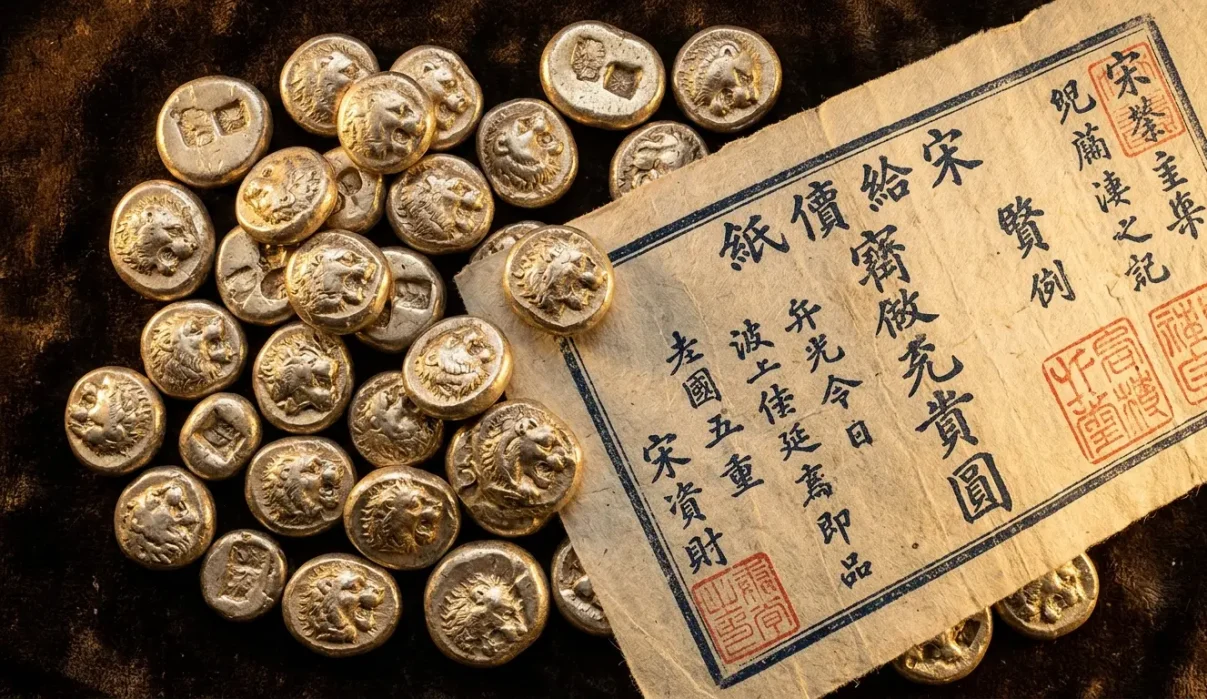
Around 600 BCE, in ancient Lydia (modern Turkey), something revolutionary happened. People began creating metal disks with official stamps—guarantees of value from the ruling authority.
This single innovation transformed trading, taxation, military payment, and everything else in between.
Why Coins Were Such a Breakthrough
- Standardization:
Every coin had a defined weight and purity. No guesswork. - Security:
Stamps and engravings made counterfeiting harder. - Convenience:
Metal was durable, portable, and preserved value over time. - Government-backed trust:
Unlike shells or salt, coins carried official legitimacy.
These coins, initially made from electrum (a natural gold-silver alloy), spread rapidly. Greece, Persia, Rome—every major civilization adopted coinage and developed its own denominations and minting practices.
Coins didn’t just speed up trade. They gave states a new way to project power, collect taxes, fund wars, and manage economies.
But as the scale of commerce expanded—especially across long distances—coins introduced a new problem: physical weight. Carrying large sums required caravans, guards, and enormous risk.
For the first time in history, wealth had become too heavy.
Paper Money: A Chinese Innovation That Lightened the World
Most people don’t realize how early paper money appeared. During the Tang Dynasty in China (7th century CE), merchants began leaving their coins with deposit holders and carrying written receipts instead. These weren’t banknotes yet, just proof of deposit.
But something important shifted:
Trust moved from physical metal to written promise.
The Song Dynasty’s Breakthrough
By the 10th–11th centuries, the Chinese government began issuing official printed notes. These were the world’s first true banknotes, centuries before Europe adopted anything similar.
Paper money offered advantages unimaginable to earlier traders-
- Easier to transport
- Safer for long-distance travel
- Allows large economic expansion
- Enables governments to regulate money supply
Europe resisted paper money for a long time—partly due to fear of counterfeiting and partly because metal was deeply tied to cultural ideas of wealth. But eventually, the logic won.
By the time the Renaissance blossomed, Europe was experimenting with notes, drafts, bills of exchange, and early banking.
Something Most People Don’t Know: Modern Paper Money Isn’t Really Paper
If you’ve ever wondered how banknotes survive crumpling, spilling, pockets, sweat, or even an accidental wash cycle, the answer is simple: it isn’t wood-pulp paper.
Most countries use a blend of cotton and linen fibers, sometimes strengthened with polymer threads. Some nations, like Australia and Canada, have fully polymer notes that last almost indefinitely.
Money, by this point, became a sophisticated product—part chemistry, part security engineering, part political symbolism.
The 20th Century: When Money Began Transforming Faster Than Ever
Coins and paper notes ruled the world for centuries, but the past 120 years have seen faster changes than the previous 3,000.
Banks Become Digital
By the mid-20th century-
- Banks began storing account information electronically.
- Credit cards appeared in the 1950s and 60s.
- ATMs introduced a new kind of independence.
- Computers made global transactions possible.
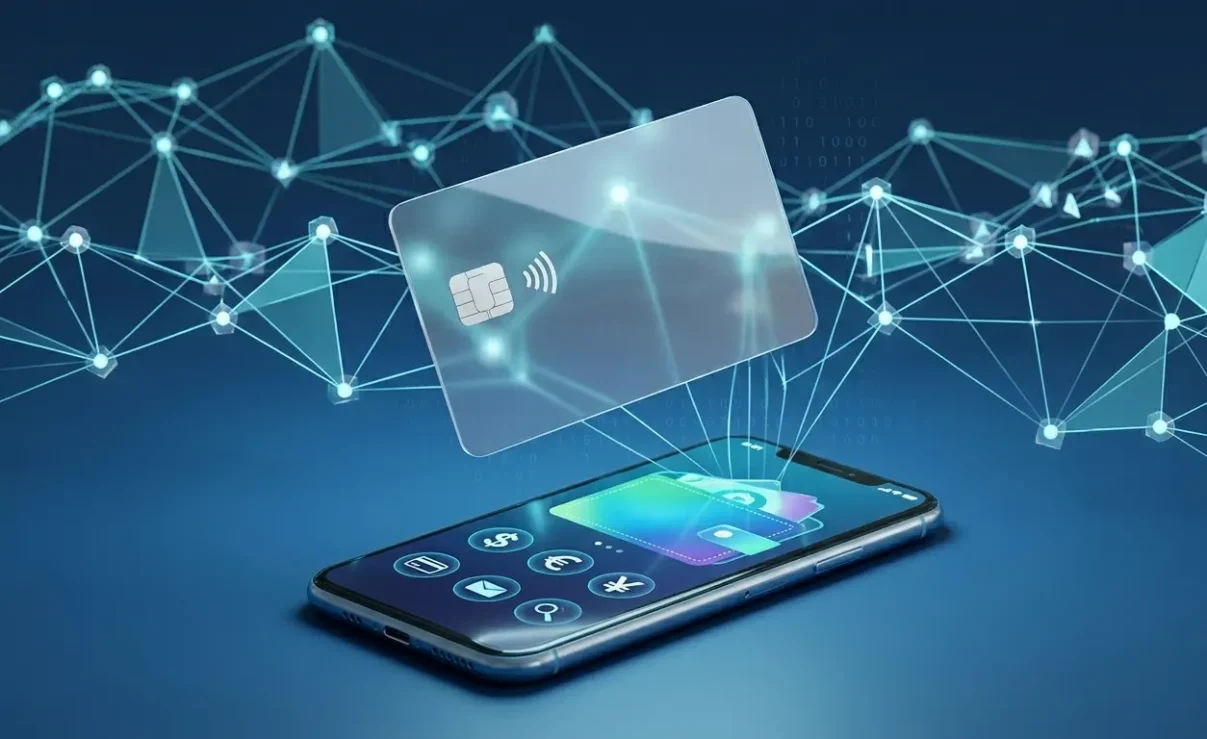
By the 1990s, with the internet exploding, money detached from physical form almost entirely.
The Idea of “Money You Can’t Touch”
Online banking.
Debit cards.
Mobile payment apps.
NFC taps.
Instant transfers.
Most modern money is just data traveling between secure databases. The world has come a long way from goat milk and grain.
Cryptocurrency: A Radical Reimagining of What Money Can Be
In 2009, Bitcoin appeared—and whether you believe in it or not, it introduced concepts that shook financial systems worldwide.
Crypto proposed-
- No government control
- Decentralized trust
- Transparent public ledgers
- Borderless transactions
- A limited, algorithmic money supply
Even if the future doesn’t belong solely to crypto, the ideas behind it have already influenced central banks, policymakers, and technologists.
Where Money Is Truly Heading: A Human Perspective, Not a Prediction
It’s tempting to imagine a fully cashless world. And maybe one day we’ll get there. But based on historical patterns, complete transformation rarely happens overnight. What usually happens is hybridization.
3 Realistic Futures for Money
- Coexistence of cash + digital systems
Because physical money still plays a role in emergencies, rural areas, and psychological comfort. - Government-backed digital currencies (CBDCs)
Already being tested in China, Europe, and parts of Africa. - Deep integration of payment technology
Wearables, biometrics, and frictionless payments woven into daily life.
If history teaches anything, it’s that money evolves only when people demand it—and only when trust shifts.
The Big Lessons from 5,000+ Years of Financial Evolution
When you strip away the details, the whole story reveals a few timeless truths-
1. Money is a social agreement, not an object.
Shells only worked because societies agreed they meant something.
Same with gold.
Same with paper.
Same with digital numbers on a screen.
2. Simplicity always wins in the long run.
Barter was too complicated.
Coins were too heavy.
Paper was easier.
Digital is even easier.
3. Stability and trust matter more than material.
People use whatever helps them exchange value safely.
4. Every change in money reflects a deeper change in society.
When people traveled farther, coins emerged.
When trade expanded, paper appeared.
When global communication became real, digital banking took over.
Money is not a static invention—it’s a living system.
If You Want to Explore Money’s Story Beyond This Article
You can try a few hands-on experiments-
- Barter with someone and feel firsthand why the system collapsed.
- Examine any banknote and look at the security threads and texture.
- Read Satoshi Nakamoto’s original Bitcoin whitepaper for a glimpse of future money.
- Compare currencies from different countries as cultural artifacts.
The transformation from shells to smartphones isn’t just economic—it’s human. It reflects our ingenuity, our restlessness, and our constant search for easier, safer, faster ways to exchange value.
And somewhere along the way, money stopped being things we held… and became systems we trust.