
Dengue Fever: What to Do and What Not to Do for Effective Management

If you are reading this, you or someone you care about is likely worried about Dengue. Maybe the fever has just started, or maybe you are in the thick of it. In tropical regions—especially across Bangladesh, India, and Southeast Asia—Dengue isn’t just a statistic; it is a seasonal reality that causes immense anxiety.
The good news? Most cases of Dengue are manageable at home. The bad news? It can turn dangerous if you miss the specific warning signs.
This guide is designed to walk you through exactly what is happening in the body, how to manage it without panic, and—crucially—how to spot the difference between a painful week and a medical emergency.
1. Know Your Enemy: The Aedes Mosquito
Dengue isn’t like Malaria. The mosquito responsible, Aedes aegypti, has a personality. It is a daytime biter, highly active in the early morning and late afternoon. It breeds in clean, stagnant water—the kind found in your flower vase, the tray under your refrigerator, or a discarded tire on the roof.
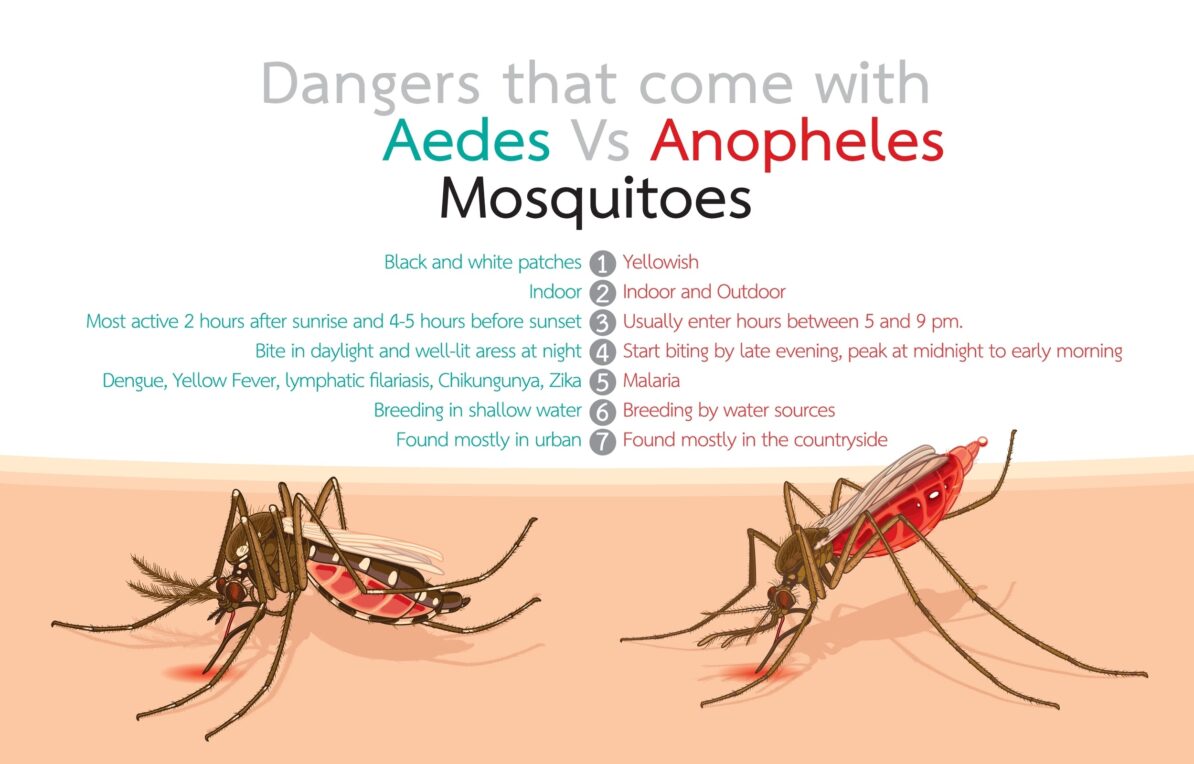
Real-World Context: You won’t usually hear them coming. They are stealthy, low fliers that often bite around the ankles or elbows. Understanding this helps you realize that sleeping under a net at night is good, but wearing long sleeves during the day is better.
2. The Three Phases of Dengue (And Why the “Fever” Isn’t the Worst Part)
The biggest mistake people make is thinking the danger is over when the fever breaks. In Dengue, the timeline is counter-intuitive. We divide the illness into three strict phases:
Phase 1: The Febrile Phase (Days 1-3)
This is when you feel the worst. The fever spikes suddenly—often hitting 104°F or 105°F.
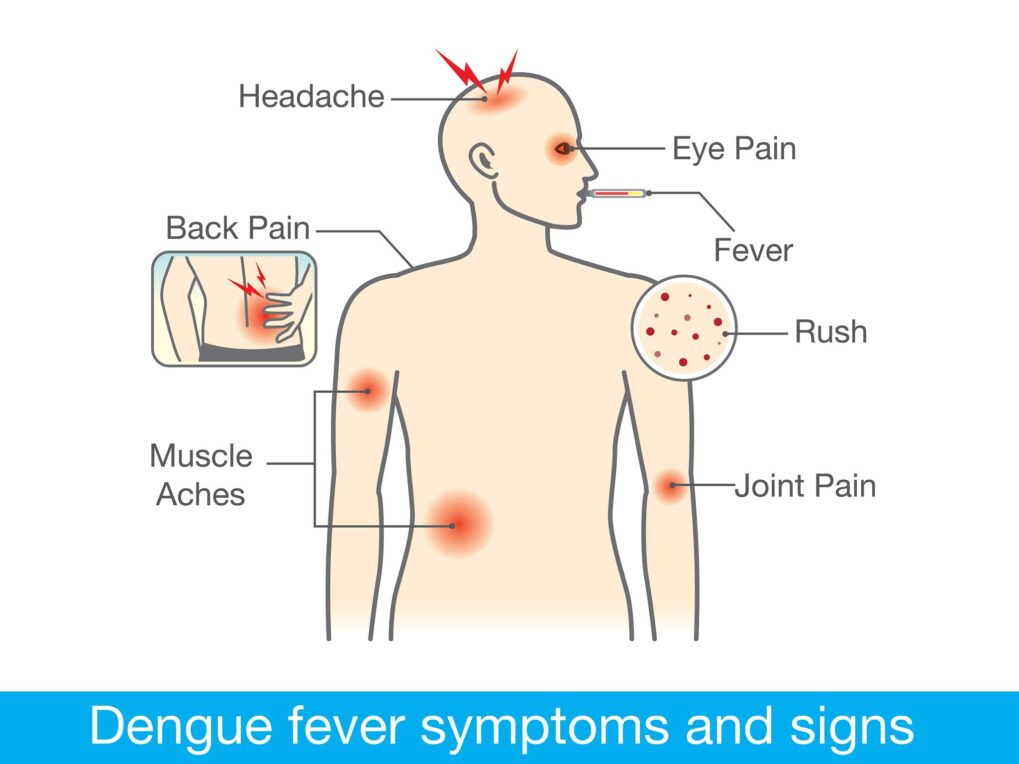
- What it feels like: “Breakbone fever” is an accurate nickname. You will feel deep pain in your joints, a splitting headache, and a very specific pain behind the eyes (retro-orbital pain).
- The Strategy: Managing misery. You are trying to keep the fever down and hydration up.
Phase 2: The Critical Phase (Days 3-6)
This is the danger zone. It happens right when the fever drops (defervescence).
- What happens: As the temperature goes back to normal (below 100°F), the blood vessels may become “leaky.” Plasma (the liquid part of blood) leaks out of the veins and into the belly or chest.
- The Risk: If too much plasma leaks, blood pressure drops, leading to shock. This is why you must not stop monitoring the patient just because the fever is gone.
Phase 3: The Recovery Phase (Days 7-10)
The body stops leaking fluids and starts reabsorbing them. A distinct rash might appear, often described as “islands of white in a sea of red.” It can be intensely itchy—which is actually a great sign that recovery is imminent.
3. Home Management: The “Category A” Protocol
Doctors classify patients into Categories A, B, and C. Category A is for patients who are alert, can drink water, and have no underlying conditions. If this is you, strict home care is the best path.
Here is exactly how to do it:
The Hydration Strategy (It’s Not Just Water)
Your goal is to prevent the blood from becoming too thick.
- Don’t just drink plain water: It can dilute your electrolytes. You need salts and sugar.
- The Menu: Oral Rehydration Saline (ORS) is non-negotiable. Supplement it with coconut water (nature’s saline), salted rice porridge (Kanji), and fresh fruit juices.
- The Frequency: Don’t gulp. Gulping triggers vomiting. Take 2-3 sips every 10 to 15 minutes.
- The Metric: Watch the urine. You want the patient to urinate every 4 to 6 hours. If the urine is clear or pale yellow, you are winning. If it is dark gold or brown, you are behind on fluids.
Pain Management (The “Do Not” List)
This is critical. Dengue affects your platelets (clotting cells).
- DO: Take Paracetamol (Acetaminophen) for fever and pain. Stick to the recommended dose (usually max 3-4g per day for adults).
- DO NOT: Take Ibuprofen, Aspirin, or Diclofenac/Voltaren. These are NSAIDs. They thin the blood and irritate the stomach lining. In a Dengue patient, taking an aspirin can trigger a gastric hemorrhage. Avoid these at all costs.
4. The Numbers Game: Platelets vs. Hematocrit
If you go to a hospital, you will see families obsessing over the Platelet Count. “Doctor, his platelets dropped to 80,000! Is he dying?”
Here is the expert truth: Platelets will drop. It is part of the disease. A count of 50,000 or even 20,000 is generally manageable if there is no active bleeding.
What you should actually worry about is Hematocrit (PCV). Hematocrit measures how thick the blood is.
- If Hematocrit rises, it means the liquid (plasma) is leaking out, leaving the blood too thick. This is a sign of impending shock.
- Key takeaway: If the doctor says the platelets are low but the “blood pressure is stable and hematocrit is normal,” relax. The patient is safe.
5. When to Run to the Hospital (Warning Signs)
You can manage pain at home, but you cannot manage organ failure. You must move the patient to a hospital immediately (Category B or C) if you see any of these signs, especially during the transition from fever to no-fever:
- Severe Abdominal Pain: Not just a tummy ache, but continuous, severe pain.
- Persistent Vomiting: Vomiting everything you drink (3+ times in an hour).
- Bleeding: Blood on the toothbrush, nosebleeds, or black, tarry stools.
- Rapid Breathing: This suggests fluid is filling the space around the lungs.
- Lethargy or Restlessness: If the patient is confused, aggressive, or excessively sleepy.
- Cold, Clammy Extremities: If the palms and soles are icy cold despite the weather, the blood pressure has dropped.
6. Addressing the Myths: Papaya Leaf Juice
In almost every household in South Asia, someone will suggest Papaya Leaf Juice.
- Does it work? Some small studies suggest it might help boost platelet production slightly.
- The Verdict: It is not a cure for the virus. It is extremely bitter.
- The Danger: If you force a nauseous child to drink bitter juice, they might vomit. Vomiting leads to dehydration, which is the real killer in Dengue.
- Advice: If the patient can drink it willingly, go ahead. But never prioritize it over ORS and water.
7. Prevention: A Lifestyle, Not a One-Time Task
Fogging machines look impressive, but they only kill adult mosquitoes. To truly stop Dengue, you have to stop the breeding.
- The “Dry Day” Routine: Pick one day a week (e.g., Friday). Inspect your home. Look inside the air conditioner drain pipe. Look behind the refrigerator. Look at the tray under the dish drying rack. Scrub them clean.
- Personal Armor: If there is an outbreak, use repellents containing DEET or Picaridin. Wear light-colored clothing (mosquitoes are attracted to dark colors).
8. Recovery and The “Post-Dengue Blues”
Recovery takes time. Even after the virus is gone, many people suffer from “Post-Dengue Fatigue Syndrome.”
- Hair Loss: Intense hair shedding is common 1-2 months after recovery. It is temporary.
- Depression/Anxiety: The physical toll often affects mental health.
- Joint Pain: This can linger for weeks.
Be patient with your body. Eat high-protein foods (eggs, fish, lentils) to rebuild the tissues damaged by the virus.
A Final Note on Safety
Dengue is scary because it is unpredictable. But with knowledge, you strip away the fear. Keep the fluids running, watch for the warning signs, and respect the fever-free period. If you can do that, you are already winning the battle.