Living with Glaucoma: Essential Lifestyle Changes for Managing Eye Pressure and Protecting Vision

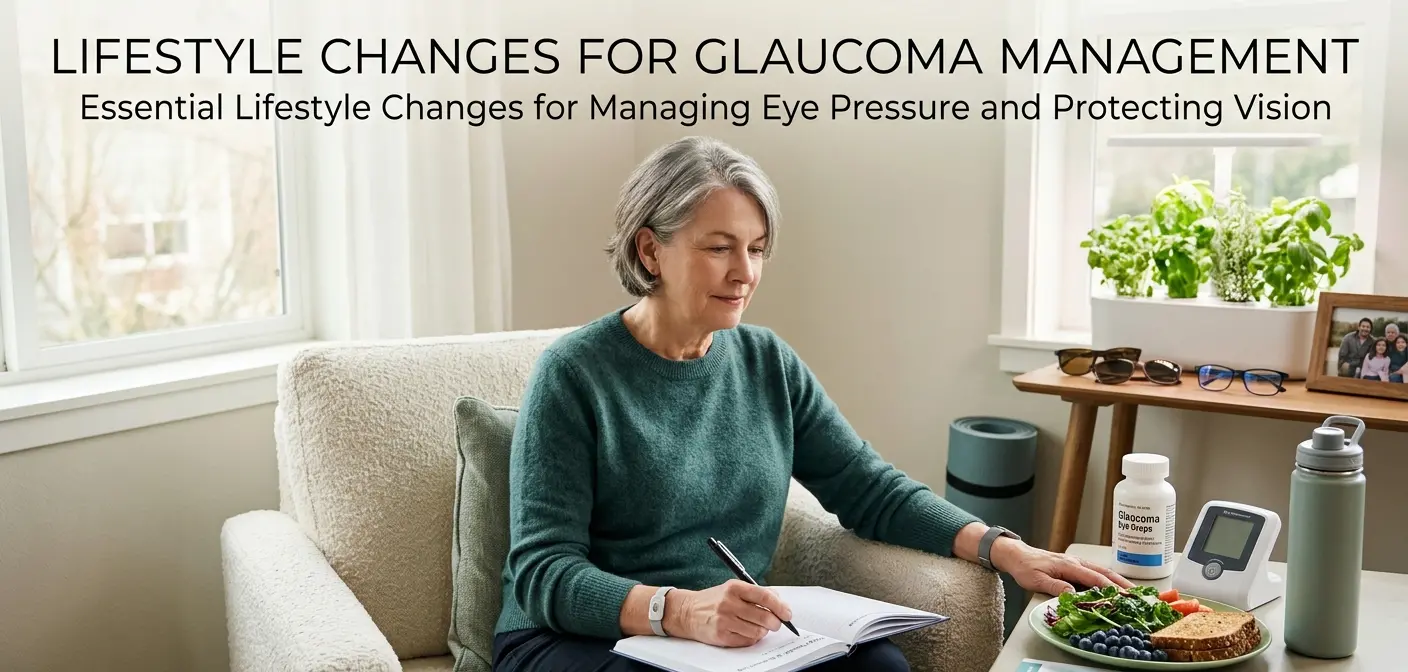
Here we discuss some simple lifestyle changes that really help protect your eyesight.
Glaucoma is one of the leading causes of blindness worldwide, yet most people don’t feel anything wrong until a lot of vision is already gone. That’s why doctors call it the “silent thief of sight.” The good news? If you catch it early and make some practical daily changes, you can slow it down a lot—sometimes for decades.
I talked with Dr. Jinat Jahan, a glaucoma specialist and consultant at Vision Eye Hospital in Bangladesh who treats hundreds of patients every month. She says, “Medicine and eye drops are important, but what you do every single day—how you eat, move, sleep, and use your phone—makes an equally big difference in keeping eye pressure under control.”
This article is written for real people who have glaucoma (or care for someone who does). Everything here comes from current medical guidelines, published studies, and Dr. Jinat’s day-to-day experience with patients. No hype, just straightforward advice you can start using today.
What Glaucoma Actually Does (in Plain Words)
Inside your eye there’s a clear fluid that keeps everything in shape. Normally it drains out nicely. In glaucoma, the drain gets partly blocked, pressure builds up, and that pressure slowly squeezes the optic nerve—the cable that carries pictures from your eye to your brain. Once nerve fibers die, they don’t grow back. That’s why protecting the remaining ones is the main goal.
Diet: Eat to Protect Your Optic Nerve
There is no “glaucoma diet” that cures the disease, but certain foods clearly help lower eye pressure and shield the nerve.
Foods that help the most
- Dark green leafy vegetables (spinach, kale, coriander, fenugreek): full of lutein and zeaxanthin—natural sunglasses for your eyes.
- Bright-colored fruits and vegetables (carrots, mangoes, papayas, berries, oranges): packed with vitamin A and C.
- Fatty fish (rohu, katla, hilsa, sardines, tuna) or flaxseeds: rich in omega-3 that improves blood flow inside the eye.
- A handful of almonds or walnuts daily: good source of vitamin E.
- Pumpkin seeds: extra zinc for nerve health.
Real-life tip from Dr. Jinat: “Many of my patients follow a simple Bengali plate—rice, fish, a big portion of shaak (greens), and some fruit. That’s already close to ideal.”
Things to cut back on
- Smoking and alcohol – both raise eye pressure and damage blood vessels.
- Too much tea/coffee (more than 2 small cups a day can spike pressure in some people).
- Very salty food and packaged snacks – salt makes your body hold water, and that can push eye pressure up.
- Trans fats in deep-fried street food and bakery items.
Water – drink smart, not big gulps
Big glasses of water all at once can suddenly raise eye pressure. Instead-
- Sip slowly throughout the day.
- 8–10 small glasses spread out is perfect.
- Half a liter at one time is the safe upper limit.
Screen Time: Yes, You Can Still Use Phones and Computers
Good news—screens don’t cause glaucoma or make it worse if you follow basic rules.
Dr. Jinat’s exact words to patients: “I use my laptop 10 hours a day myself. Just don’t sit in the dark staring at it.”
Simple rules that work-
- Always keep the room well-lit (brighter than the screen).
- Every 20 minutes, look 20 feet away for 20 seconds (20-20-20 rule).
- Blink often or use preservative-free artificial tears.
- Turn on blue-light filter after sunset.
- Keep the screen at eye level and arm’s length away.
Sleep Position Matters More Than You Think
Sleeping face-down or on your stomach presses the eye and raises pressure overnight.
Best positions-
- On your back with one thin pillow (or a slightly wedge-shaped pillow to keep the head a little elevated).
- On your side is also fine.
Try to get 7–8 hours of good sleep. Poor sleep messes with your body’s pressure regulation.
Exercise: Move Daily, Choose Wisely
Moderate exercise lowers eye pressure naturally and improves blood flow to the optic nerve.
Safe and helpful
- Brisk walking 30–40 minutes most days (one of the best things you can do).
- Swimming.
- Light jogging at easy pace.
- Simple yoga (avoid head-down poses like downward dog or headstand).
Avoid or modify
- Heavy weightlifting with breath-holding.
- Inverted poses where head is below heart.
- High-intensity workouts that make you strain hard.
Dr. Jinat says: “I tell my patients—walk like you’re late for the bus, but not running for your life. That’s perfect.”
A Realistic Daily Routine That Actually Works
Morning
→ Glass of water (small) + antioxidant-rich breakfast (spinach paratha or fruit smoothie with flaxseeds)
10–11 a.m.
→ 30-minute walk in daylight
Work/Study
→ Bright room, 20-20-20 rule, artificial tears when eyes feel dry
Lunch & Dinner
→ Fish or dal, big portion of greens, colorful veggies, limited salt
Evening
→ Light stretching or seated yoga
Night
→ Sleep on back or side, no phone in bed, aim for 10:30–11 p.m. bedtime
Myths vs Reality
Myth: Everyone with glaucoma goes blind.
Reality: With proper care, most people keep useful vision for life.
Myth: I can’t work on computers or watch TV.
Reality: Millions do—just follow the lighting and break rules.
Myth: Diet doesn’t matter.
Reality: Studies show antioxidant-rich diets and omega-3 can lower eye pressure.
The Bottom Line
Glaucoma is a lifelong condition, but it doesn’t have to take over your life. Small, consistent changes in what you eat, how you move, sleep, and use screens add up to big protection for your remaining vision.
Dr. Jinat’s final advice to every patient: “Take your drops on time, see your doctor regularly, and live your life. Glaucoma should be something you manage, not something that stops you.”
Start with one or two changes today—maybe a daily walk and sipping water slowly. Your eyes will thank you for years to come.