Cat adoption: 10 Essential Things to Know Before Adopting a Cat

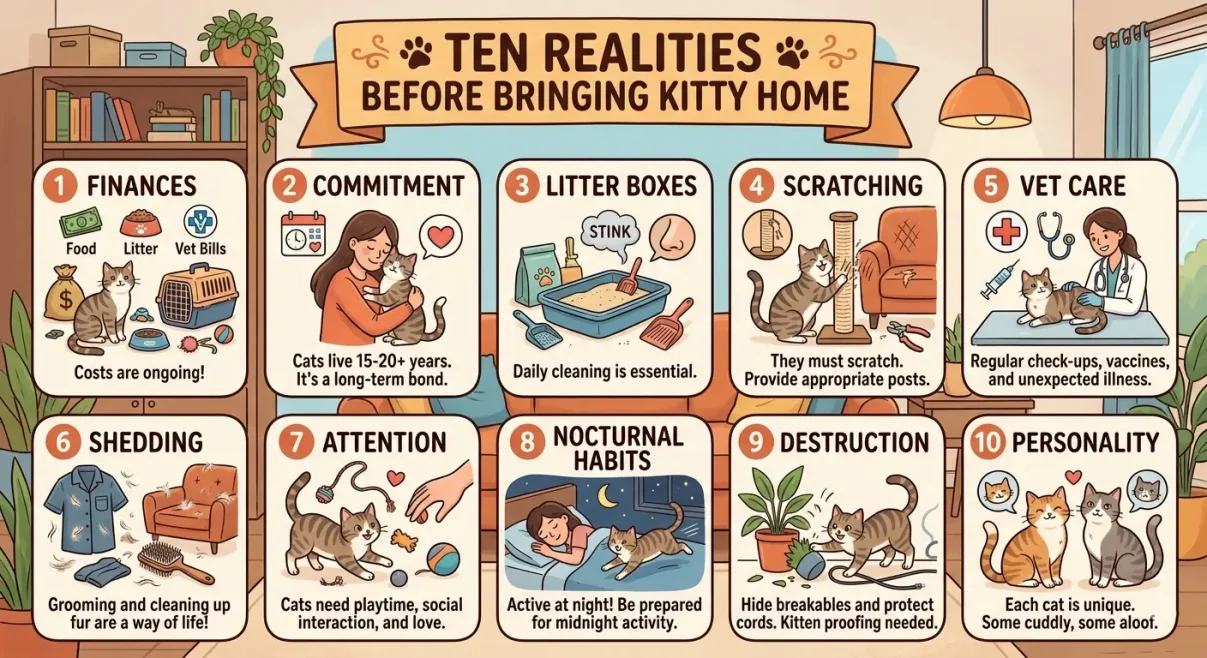
Here will will learn, ten Realities You Need to Know Before Bringing Kitty Home.
Adopting a cat is often romanticized as a low-effort path to companionship—a warm lap warmer that takes care of itself. While the cuddles and purrs are very real, the “low maintenance” label is a myth that often leads to frustration and, heartbreakingly, rehoming.
As experienced cat guardians know, cats are complex, emotional, and ecologically demanding creatures. Whether you are eyeing a spunky kitten or a stoic senior, understanding the biological and behavioral needs of felines is the difference between a stressed household and a forever home.
Here are 10 essential truths to prepare you for the rewarding responsibility of cat ownership.

1. The Myth of the “Low-Maintenance” Pet
If you want a pet that ignores you until you’re ready to play, a cat—especially a kitten—is not it. While they don’t need outdoor walks like dogs, they require significant emotional and mental engagement.
- The Reality: A bored cat is a destructive cat. Without an outlet for their energy, cats will create their own fun, usually involving your curtains or knocking things off shelves.
- The Fix: Embrace “interactive play.” Simply leaving toys on the floor isn’t enough. You need to be the other end of the feather wand, mimicking prey movements to satisfy their hunting instinct.
- Pro Tip: If you work long hours, consider adopting two kittens. “Single Kitten Syndrome” is real; a solo kitten often becomes biting and anxious, whereas a pair will wear each other out and teach one another bite inhibition.
2. Kitten-Proofing is Serious Business
Kittens are liquid; they can pour themselves into gaps you didn’t know existed. Their curiosity is driven by a biological need to explore, but modern homes are full of hazards.
- The Danger Zones: Reclining chair mechanisms (a crushing hazard), the warm space behind the refrigerator, and open washing machines are classic hiding spots.
- Action Plan: Before the cat arrives, get on your hands and knees to see the room from their perspective. Secure breakables with museum putty, block off under-cabinet gaps, and invest in a breakaway collar with a bell so you don’t accidentally step on a silent, tiny explorer.
3. They Aren’t Nocturnal (They’re Crepuscular)
Many new owners are shocked when their cat begins sprinting across their face at 4:00 AM. Cats are not strictly nocturnal; they are crepuscular, meaning they are biologically wired to hunt at dawn and dusk.
- Managing the “Zoomies”: You cannot fight biology, but you can hack it. Establish a routine of vigorous play right before you go to bed, followed immediately by a meal. This mimics the “Hunt, Catch, Kill, Eat, Sleep” cycle, encouraging them to settle down when you do.
- The Bedroom Door: If you keep the door closed, be prepared for scratching or crying. If you let them in, accept that your feet moving under the covers might be treated as prey.
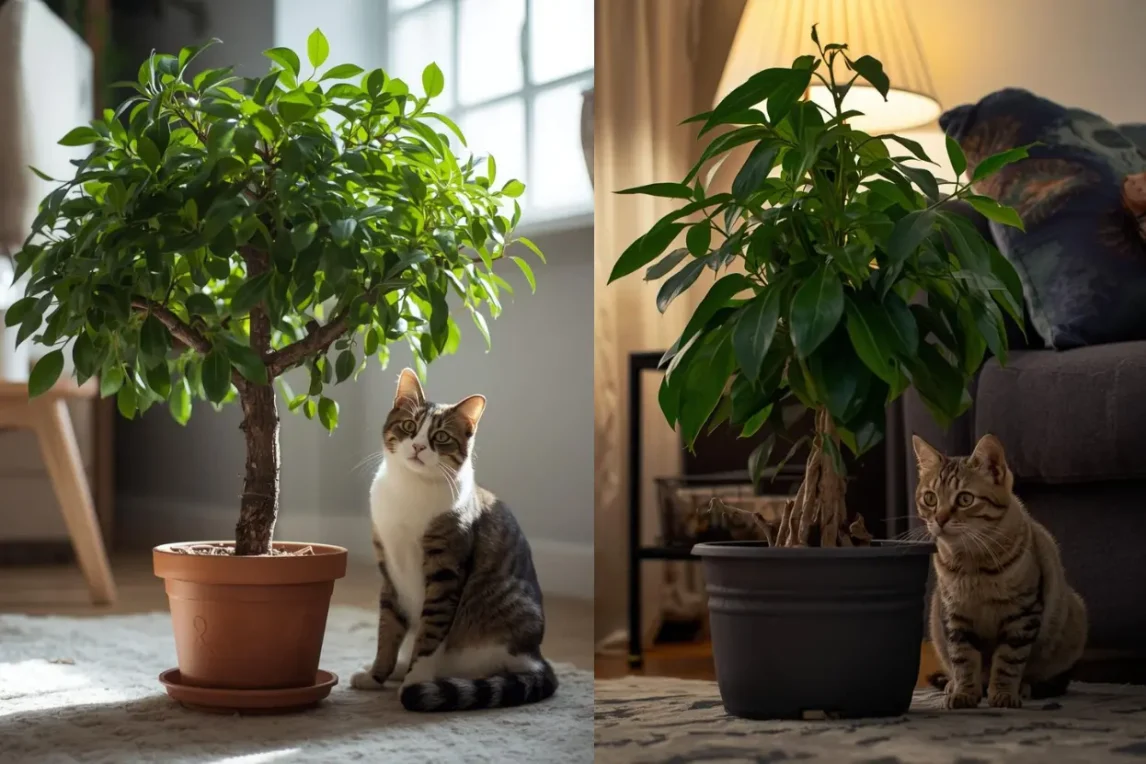
4. Your Plants Could Be Deadly
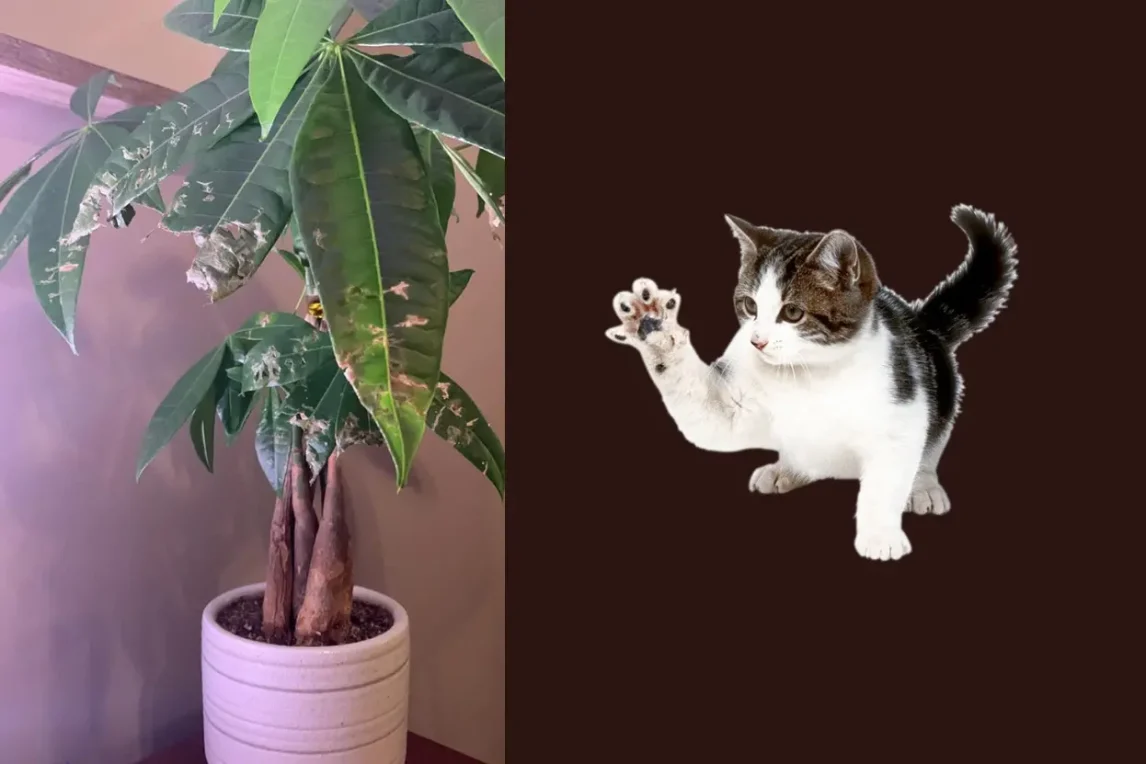
Kittens explore the world with their mouths. While chewing cords is a shock hazard, chewing plants can be fatal within hours.
- The “Big Bad”: True Lilies (Lilium and Hemerocallis species) are catastrophically toxic. Even getting lily pollen on their fur and licking it off can cause acute kidney failure. Poinsettias, Aloe, and Sago Palms are also dangerous.
- Resource: Before bringing a cat home, cross-reference every plant in your house with the ASPCA Toxic Plants List. When in doubt, rehome the plant, not the cat.
5. Scratching is Non-Negotiable
Cats do not scratch to ruin your sofa; they scratch to shed old nail sheaths, stretch their back muscles, and leave scent markers from glands in their paws. It is a form of communication and health maintenance.
- The Strategy: You cannot stop a cat from scratching, but you can choose where they scratch.
- The Setup: Provide a sturdy, tall scratching post (sisal rope is usually preferred over carpet). Place it prominently in the living room, not hidden in a corner. Cats want to mark their territory where you spend time. Use double-sided sticky tape on furniture as a temporary deterrent while rewarding use of the post.
6. Hands Are Not Toys
It is adorable when a 2-pound kitten wrestles with your hand. It is terrifying when a 12-pound cat does it.
- Behavioral Training: If you use your hands to roughhouse, you are teaching your cat that human skin is for biting. This leads to aggression issues later in life.
- The Correction: Always put a toy between you and the cat. If they bite you, go limp (do not pull away, which mimics prey struggles) and disengage immediately to show that biting ends the fun.
- Grooming: Start handling their paws early. Regular nail trims (every 2 weeks) are essential for indoor cats to prevent snagging and ingrown claws.
7. Routine is Sacred
Cats are creatures of habit. They possess an incredibly accurate internal clock regarding meal times.
- The Weekend Wake-Up: Your cat does not care that it is Saturday. If breakfast is at 6:00 AM on Tuesday, they will walk on your head at 6:00 AM on Sunday.
- Nutrition Note: Veterinary consensus increasingly points toward wet food as a staple. Cats have a low thirst drive and often exist in a state of chronic mild dehydration. Wet food supports kidney and urinary tract health—two common trouble spots for felines.
8. The Financial Reality
The adoption fee is just the down payment. Cats can live 15 to 20 years, and their medical needs increase as they age.
- The Budget: Beyond food ($40–$80/month) and litter ($20/month), you must plan for the unexpected. An emergency blockage surgery or dental extraction can easily cost $1,000–$3,000.
- Preparation: We strongly recommend pet insurance (get it while they are young and healthy to avoid “pre-existing condition” exclusions) or a dedicated savings account for vet bills.
9. The Great Indoors
The debate is settled: Indoor cats live significantly longer, healthier lives.
- The Risks: Outdoor cats face cars, predators (coyotes, loose dogs), diseases (Feline Leukemia/FIV), and parasites. Furthermore, domestic cats are an invasive species that decimate local bird populations.
- The Compromise: You don’t have to keep them strictly inside if you do it safely. Leash training (using a harness, never a collar) or building a “Catio” (an enclosed patio) allows them to sniff the breeze and watch the birds without the danger of traffic or fighting.
10. A Bond Like No Other
If you navigate these challenges with patience, the reward is profound. A cat’s affection is earned, not given freely like a dog’s.
- The Payoff: When a cat chooses to sit on your lap, purr against your chest, or give you a “slow blink” (a sign of absolute trust), it is a deeply validating experience. They become attuned to your emotional state, offering quiet companionship that transforms a house into a home.
Summary: The Responsible Owner Checklist
If you are ready to proceed, here is your immediate “Go-List”-
- The “Plus One” Rule: Have one litter box per cat, plus one extra. (1 cat = 2 boxes).
- Find a Vet First: Don’t wait for an emergency. Establish a relationship with a local clinic immediately.
- Enrichment: Set up a “Cat TV” spot (a perch by a window with a bird feeder outside) to keep their brain engaged when you aren’t home.
The Bottom Line: Adopting a cat means promising to protect them, understand them, and provide for them for their entire lives. If you are prepared for the hairballs, the vet bills, and the 3 AM zoomies, you are ready for one of the most fulfilling friendships of your life.