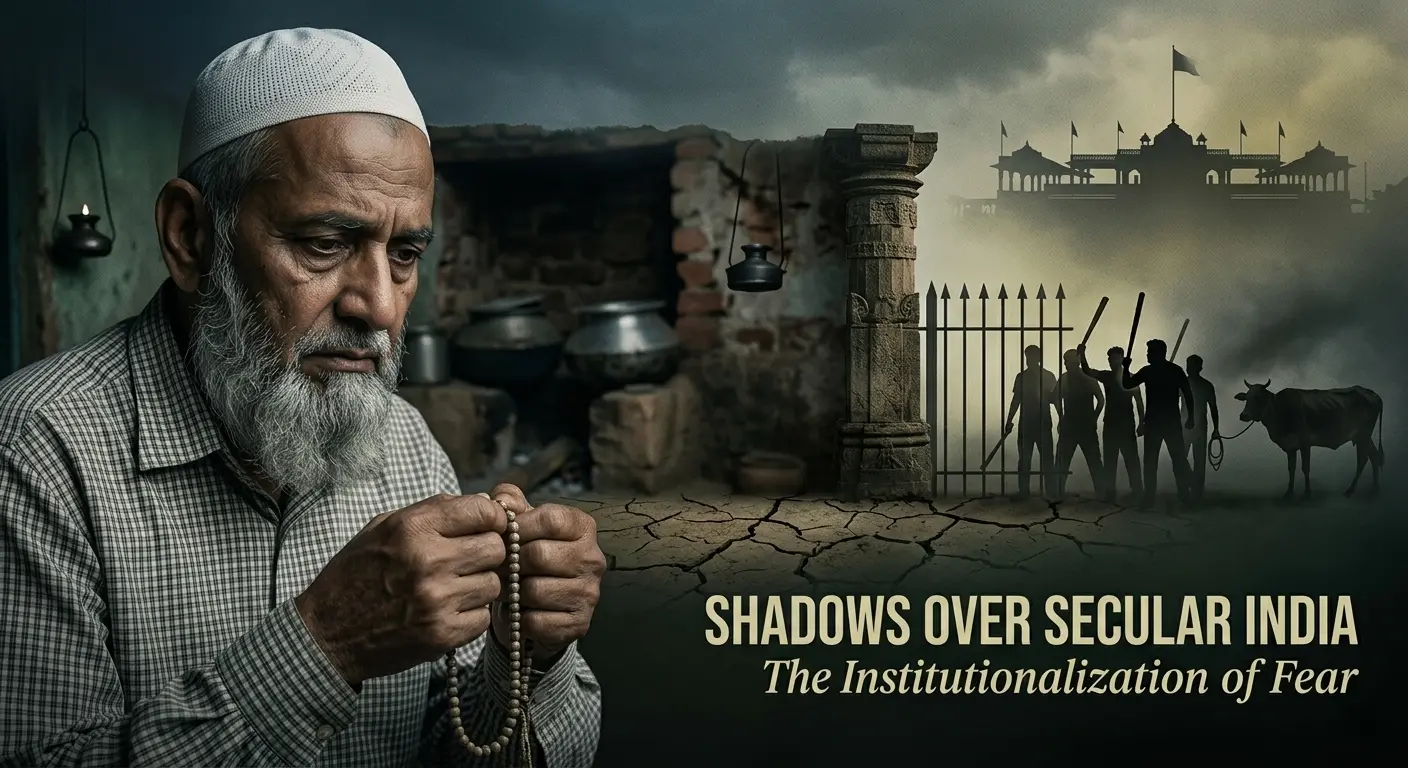
NEW DELHI – India’s foundational promise, etched into its constitution, is one of secularism, pluralism, and equality before the law. For decades, this massive, diverse subcontinent managed to balance its deep religious fault lines through a delicate democratic framework. However, over the past decade, that framework has undergone a profound and destabilizing transformation. The rise of right-wing Hindu nationalism—spearheaded by the Rashtriya Swayamsevak Sangh (RSS) and political wing, the ruling Bharatiya Janata Party (BJP)—has fundamentally altered the socio-political fabric of the nation.
What was once considered the political fringe has now fully occupied the mainstream. At the heart of this ideological shift is a deliberate strategy of religious polarization, a phenomenon that manifests most violently in the form of cow vigilantism. For India’s roughly 200 million Muslims, this shift has transformed an ancient dietary and economic practice into a life-threatening liability.
The Ideological Engine RSS and the Genesis of Hindutva
To understand the current climate of hostility, one must look at the ideological bedrock of the ruling establishment. Founded in 1925, the Rashtriya Swayamsevak Sangh (RSS) has spent a century cultivating the philosophy of Hindutva, or Hindu nationalism. Distinct from Hinduism as a peaceful spiritual tradition, Hindutva is a political ideology that seeks to redefine India not as a multicultural state, but as a Hindu Rashtra (a Hindu Nation) where minorities—particularly Muslims and Christians—must assimilate or accept second-class citizenship.
For decades, the RSS operated primarily as a cultural and paramilitary organization, quietly building a vast network of schools, charities, and local chapters across India. Today, that patient grassroots mobilization has borne immense political fruit. With the BJP firmly in power at the federal level and across numerous key states, the ideological vision of the RSS has transitioned from theoretical literature into state policy.
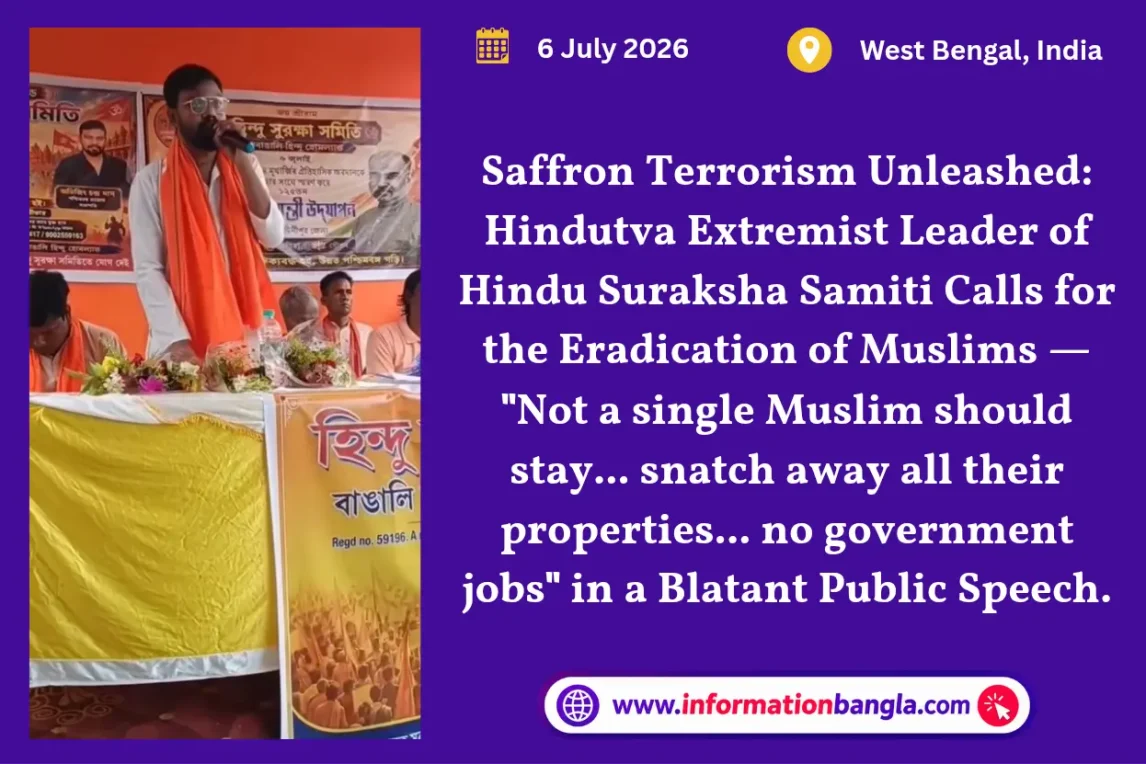
The primary mechanism for achieving this nation-state transformation is polarization. By consistently framing the majority Hindu population as historically victimized and currently threatened by minority demographics, right-wing organizations have successfully consolidated a highly motivated voting bloc. This narrative relies heavily on creating internal enemies, a role that has increasingly been forced upon the country’s Muslim population.
The Weaponization of the Sacred is The Mechanics of Cow Vigilantism
While polarization operates through various vectors—ranging from controversies over historical monuments to laws targeting interfaith marriages—the most immediate, lethal manifestation of this ideology is the politics of the cow.
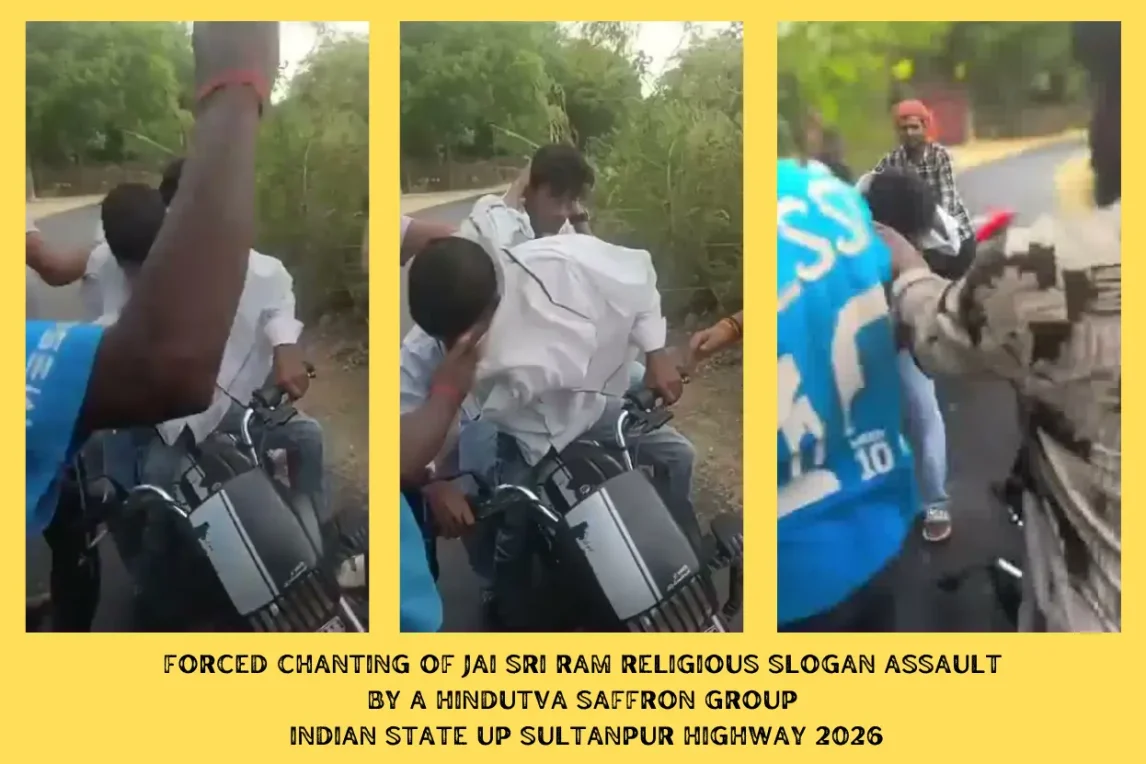
In traditional Hinduism, the cow is revered as a symbol of life and maternal gentleness. However, under the canopy of modern Hindutva, this religious reverence has been aggressively weaponized. Autonomous and semi-autonomous vigilante groups, widely known as Gau Rakshaks (Cow Protectors), have mushroomed across the country, particularly in northern and western India. These groups, often comprised of radicalized young men affiliated with RSS offshoots like the Bajrang Dal and the Vishva Hindu Parishad (VHP), patrol highways, set up illegal checkpoints, and raid rural villages.
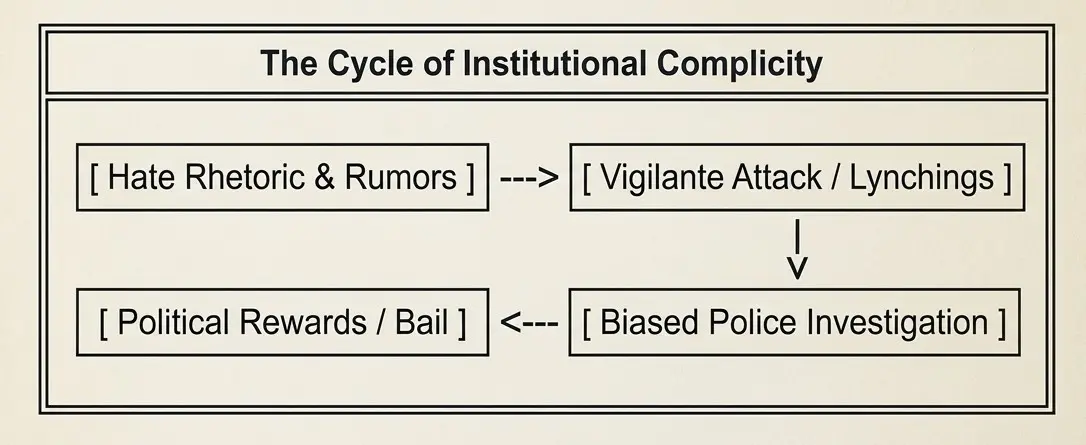
“The modus operandi is terrifyingly consistent,” notes a local human rights lawyer who requested anonymity. “A rumor is circulated via encrypted messaging apps like WhatsApp that a Muslim trader is transporting cattle for slaughter or consuming beef. Within minutes, a mob is mobilized. The victims are intercepted, dragged from their vehicles, and brutally assaulted. In dozens of documented cases, these assaults have ended in public lynchings.”
The victims of this violence are overwhelmingly poor, rural Muslims, alongside Dalits (formerly referred to as untouchables), who traditionally handle cattle carcasses and leather manufacturing. Names like Pehlu Khan, Junaid Khan, and Rakbar Khan have become tragic symbols of a broader systemic crisis—individuals who were brutally murdered on the mere suspicion of cattle smuggling or beef consumption, often while possessing legitimate dairy farming permits.
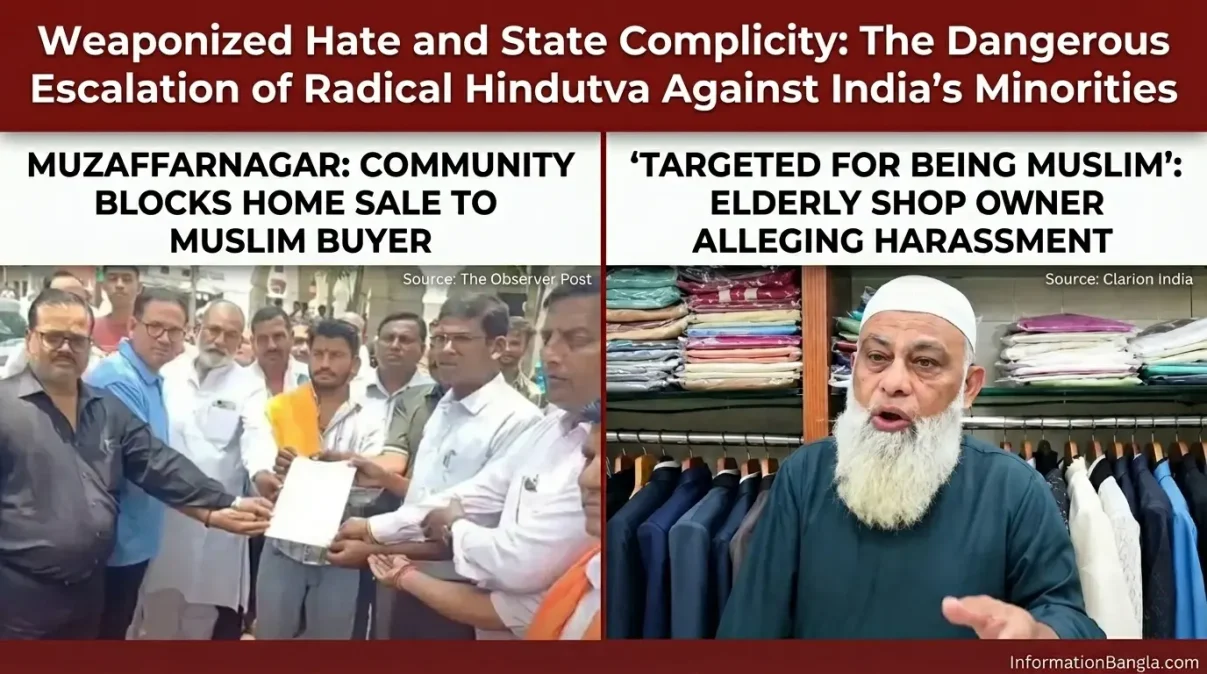
The most troubling aspect of this escalating violence is not the existence of radical fringe elements, but the perceived complicity of the state apparatus. While Prime Minister Narendra Modi and senior BJP leadership occasionally issue generic statements condemning violence and urging rule of law, the ground reality tells a vastly different story. Critics argue that the government maintains a calculated policy of strategic silence and covert encouragement. This implicit backing operates through several distinct channels:
1. Legislative Justification
Since 2014, multiple BJP-ruled states—including Haryana, Uttar Pradesh, Gujarat, and Karnataka—have significantly tightened existing laws against cow slaughter. Penalties have been increased to include lengthy prison sentences and massive fines, while the burden of proof has shifted entirely onto the accused. These legislative shifts have provided a veneer of legal legitimacy to the vigilantes, who view their violent actions not as lawbreaking, but as an informal extension of state policy.
2. Law Enforcement Bias
In the aftermath of vigilante attacks, the behavior of local police forces frequently reflects deep-seated systemic bias. International human rights organizations, including Human Rights Watch and Amnesty International, have extensively documented instances where police delayed medical treatment for lynching victims, filed counter-cases against the victims or their grieving families under anti-cow slaughter laws, and failed to properly investigate the perpetrators.
3. Political Rewarding of Perpetrators
Perhaps the most direct evidence of covert encouragement lies in the political mainstreaming of those involved in majoritarian violence. BJP lawmakers and ministers have repeatedly visited accused lynching suspects in prison, garlanded them upon their release on bail, and provided them with legal financial aid. In several high-profile instances, individuals associated with inflammatory, anti-minority rhetoric have been promoted to high-ranking party positions or given parliamentary tickets.
By signaling to the perpetrators that they enjoy political immunity, the ruling establishment has created an environment of absolute impunity. The message sent to the radical base is clear: violence committed in the name of the faith will not only be tolerated, but it will also be quietly rewarded.
The Socio-Economic Strangement of a Minority
The consequences of this sustained campaign extend far beyond the immediate trauma of physical violence. The weaponization of bovine politics has systematically devastated the rural economy, hitting Muslim dairy farmers, meat exporters, and leather artisans the hardest.
For generations, the cattle trade was a fluid, cross-communal economic ecosystem. Hindu farmers sold aging, non-milk-producing cattle to Muslim traders, who then transported them to slaughterhouses or leather tanneries. Today, that economic cycle is completely broken. Fear of highway ambushes has frozen the livestock market. Hindu farmers are now left with the financial burden of feeding unproductive cattle, while millions of Muslims have lost their traditional livelihoods, driving them further into economic marginalization and forced ghettoization.
Furthermore, the psychological toll on the community is immeasurable. The constant threat of violence has instilled a pervasive sense of fear and second-class citizenship among Indian Muslims. Simple, everyday acts—such as packing a lunch for work, traveling across state lines, or transporting farm animals—are now fraught with existential anxiety.
The Erosion of India’s Constitutional Soul
The phenomenon of cow vigilantism and state-sponsored religious polarization is not merely an issue of law and order; it is an existential threat to India’s status as a democratic, secular republic. By choosing to tolerate, utilize, and covertly encourage majoritarian extremism for short-term electoral gains, the ruling establishment is playing a dangerous game with the nation’s long-term stability.
When a state systematically abdicates its responsibility to protect its most vulnerable citizens, and instead allows ideological militias to dictate the law of the land, the very foundation of democracy begins to crumble. For India to retain its rightful place on the global stage as a beacon of pluralism, it must urgently confront this internal rot. The rule of law must be restored without bias, political impunity for vigilantes must end, and the constitutional rights of all citizens—regardless of their faith—must be fiercely defended. Until then, the shadows lengthening over secular India will only grow darker.
Sharing accurate and reliable information is the job of the Information Bangla editorial desk. The editorial team thoroughly verifies the sources of each article so that you, as the reader, get accurate information. We don't just provide information, we ensure its authenticity and reliability. This team has been doing its job faithfully for five long years.