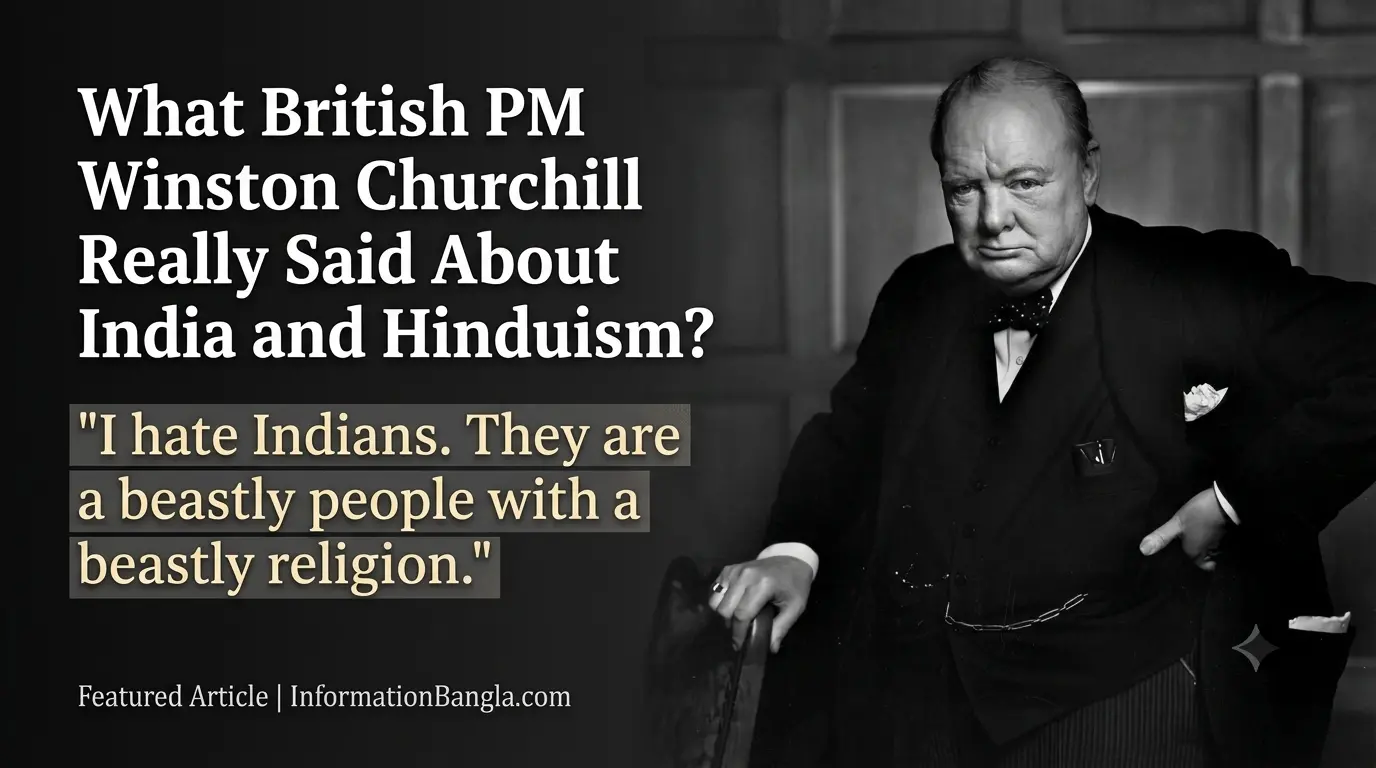
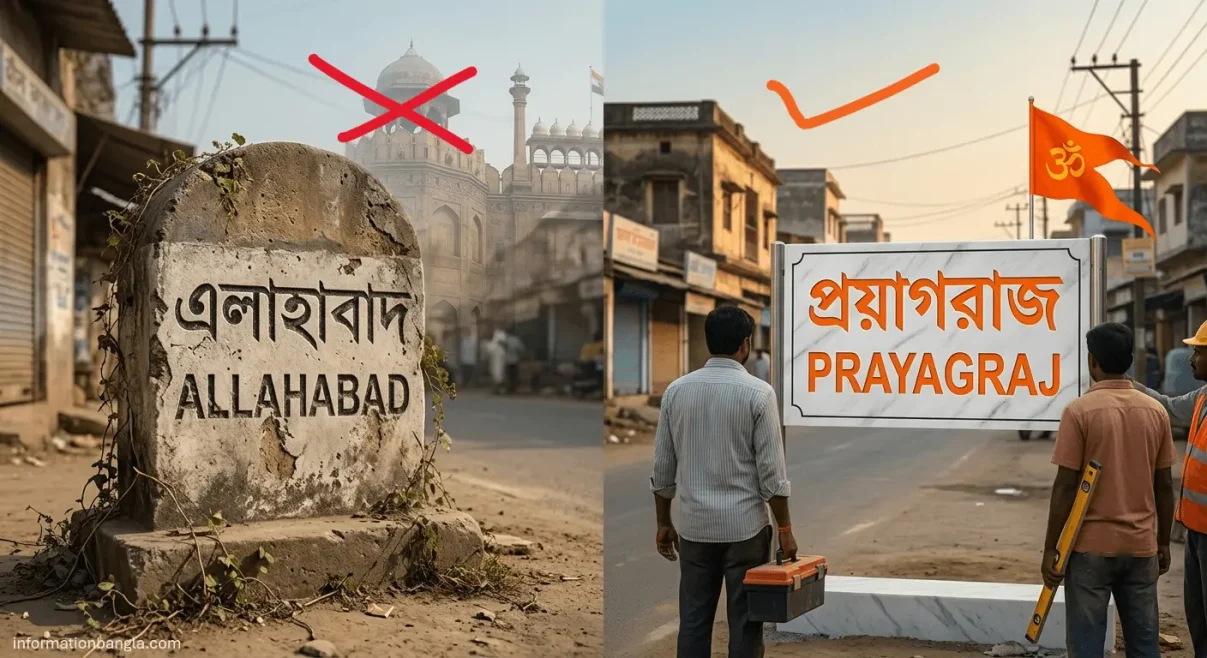
Winston Churchill’s was a great leader for Britain during their darkest hour against Nazi Germany,
In the age of social media, it has become incredibly easy to fabricate quotes and attach them to famous historical figures. Recently, an image has been circulating online with a quote attributed to Britain’s wartime Prime Minister, Winston Churchill, describing Hinduism using modern biological terms like “expired virus” and “rabies.” Historically, this is completely fake and fabricated. Churchill never used those specific words.
The reality of what he actually said:
During World War II, as Indian leaders pushed harder for independence and refused to blindly support the British war effort without political concessions, Churchill’s frustration reached its peak. In September 1942, during a cabinet meeting, he made his most infamous remark, recorded by the Secretary of State for India, Leopold Amery: “I hate Indians. They are a beastly people with a beastly religion.”
This explosive statement showed that Churchill did not just dislike Indian politics; he held a deep-seated contempt for the people and their faith itself, viewing them as uncivilized compared to Western standards.
Long before the war, Churchill was an open critic of India’s social hierarchy. He frequently targeted Hinduism’s caste system, arguing that British rule was necessary to protect the lower castes. In a political speech in 1931, he remarked: “Hinduism is a religion which, while it numbers its adherents by hundreds of millions, has yet for centuries condemned a large proportion of its followers to a state of permanent degradation and untouchability.”
While his criticism of untouchability highlighted a genuine social evil, Churchill used this argument primarily as a political tool to claim that Indians were socially backward and completely unfit to govern themselves.
The darkest chapter of Churchill’s relationship with India occurred during the Bengal Famine of 1943, where millions starved to death. When colonial officials desperately begged London to divert food shipments to save starving citizens, Churchill responded with shocking coldness. He blamed the victims for their own tragedy, stating: “Relief would do no good because Indians breed like rabbits.”
His prejudice was so intense that he reportedly questioned how the famine could be so severe if Mahatma Gandhi was still alive. For Churchill, imperial victory in Europe took absolute priority over the lives of millions of Indian subjects.
Churchill firmly believed that if Britain left India, the nation would collapse into religious civil war and chaos. He was particularly suspicious of upper-caste Hindu politicians leading the freedom movement. In the 1930s, he warned: “To abandon India to the rule of the Brahmins would be an act of cruel desertion… We are custodians of India.”
In the digital age, malicious or sensational fake and manipulated quotes are often manufactured. Before believing or sharing any controversial quote attached to a historical figure, it is essential to double-check its authenticity through reliable historical archives or trusted fact-checking platforms. Believing blindly in digital propaganda only distorts history and breeds unnecessary hatred.
Sharing accurate and reliable information is the job of the Information Bangla editorial desk. The editorial team thoroughly verifies the sources of each article so that you, as the reader, get accurate information. We don't just provide information, we ensure its authenticity and reliability. This team has been doing its job faithfully for five long years.