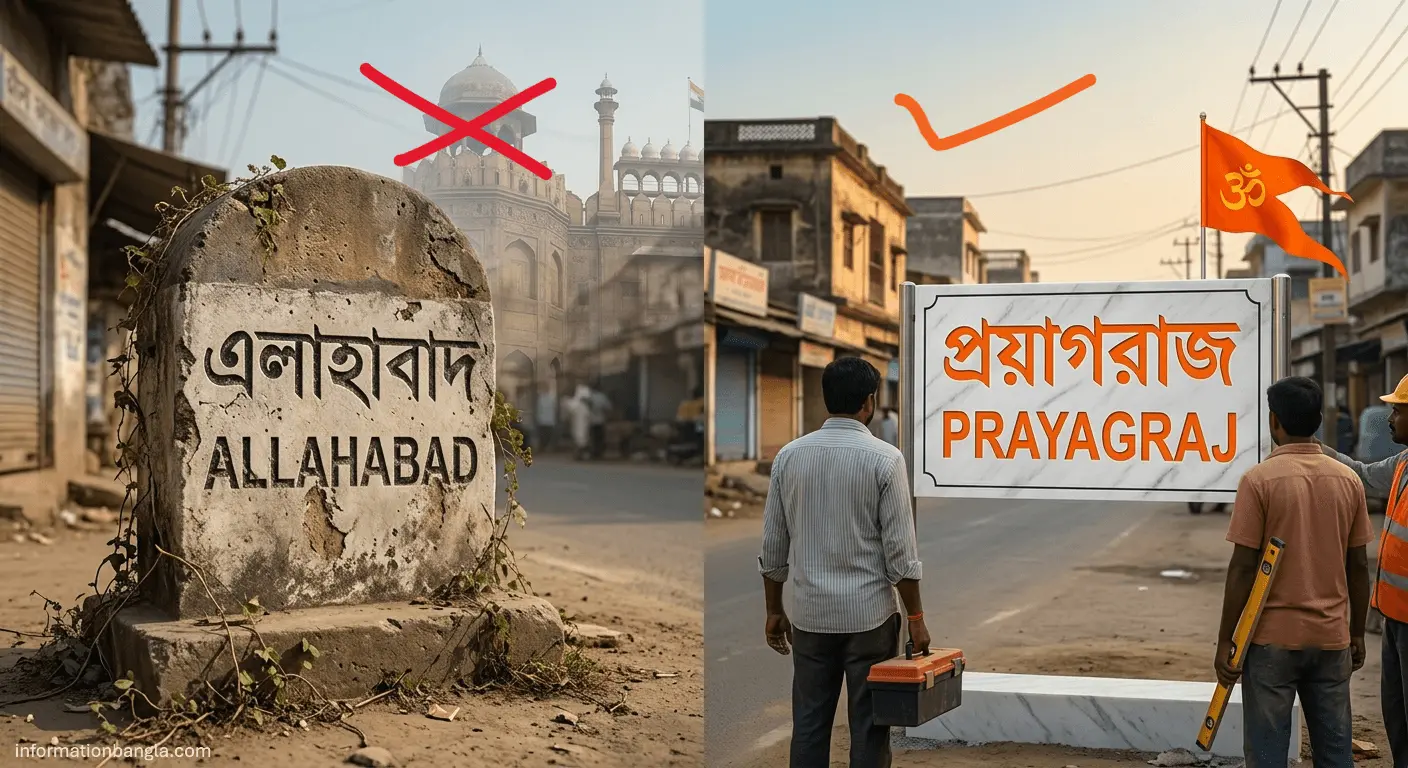
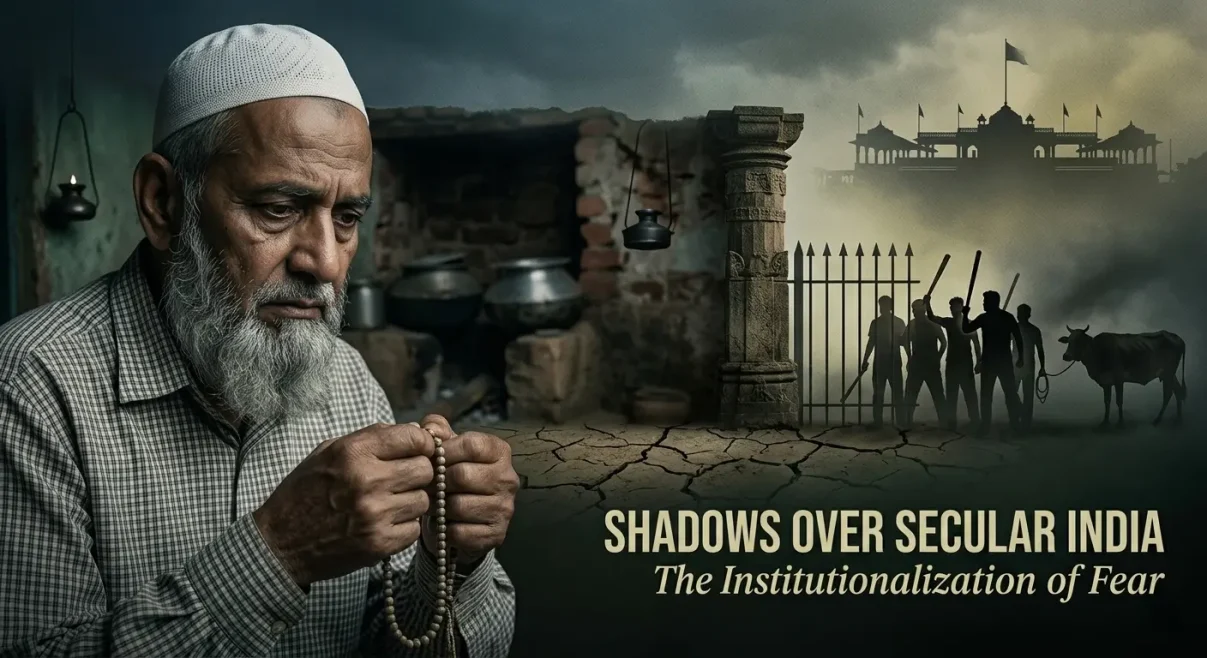
For the past several years, from 2014 after biggest Hinduva organisation RSS’s political wing BJP took power, a quiet but aggressive war has been waged across India. It is not fought with artillery, but with signboards, gazette notifications, and municipal decrees. Since the Bharatiya Janata Party (BJP) ascended to power at the center and across various states, a systematic campaign to alter the country’s toponymy—the names of its cities, streets, universities, and public parks—has been underway.
Initially, the ruling dispensation cloaked this campaign in the rhetoric of anti-colonialism and historical justice. When the historic city of Allahabad was renamed Prayagraj, or when Faizabad was officially rebranded as Ayodhya, the justification offered by local state governments was uniform: these names were relics of the Mughal Empire. The official narrative claimed that these changes were necessary steps to heal historical wounds, asserting that the Mughal era was defined solely by the oppression of the Hindu majority. Aurangabad’s transformation into Chhatrapati Sambhajinagar was presented under the same guise of reclaiming indigenous pride from medieval rulers.
However, as the renaming spree accelerates, the “Mughal pretext” has worn thin. Recent developments reveal a far more radical agenda. The focus has shifted from erasing the legacy of medieval emperors to a comprehensive purging of any Islamic or Muslim-sounding name from the public sphere, regardless of whether the individual in question was a Mughal king or a decorated freedom fighter who bled for India’s independence.
The underlying message from India’s Hindu nationalist movement is increasingly clear: it seeks to deny the Muslim community any claim to the shared physical and cultural landscape of the nation, effectively rendering India’s largest minority invisible in the country’s public geography.
Erasing the Patriots: The Case of Barkatullah University
The limits of the BJP’s “anti-Mughal” argument are starkly exposed by the current move to rename Barkatullah University in Bhopal, Madhya Pradesh. Established in 1970, this premier institution has absolutely no historical connection to the Mughal court or medieval monarchs. Instead, it was named after Maulana Barkatullah, one of the most fierce, secular, and progressive anti-colonial revolutionaries in Indian history.
“Maulana Barkatullah devoted his entire life to working abroad for the cause of India’s independence. He traveled tirelessly across the globe—including Japan, England, the United States, Germany, Russia, and Afghanistan—with the sole purpose of creating public awareness and building international alliances to pave the way for India’s freedom,” notes Professor Chaman Lal, a distinguished historian and former professor at Jawaharlal Nehru University (JNU), Delhi.
Born in Bhopal, Maulana Barkatullah was a scholar-revolutionary who co-founded the Ghadar Party in San Francisco and later served as the Prime Minister of the Provisional Government of India established in exile in Kabul in 1915. He fought alongside Hindu and Sikh revolutionaries, transcending religious divides in his pursuit of a free, united India.
The proposal to strip his name from the university has sparked widespread outrage among academics and civil society groups, who view it as a blatant act of communal revisionism. In a joint statement, Professor A. Nishanth, President of the All India Federation of University and College Teachers’ Organisations (AIFUCTO), and General Secretary Arun Kumar, expressed their deep concern:
“Maulana Barkatullah was a pioneering revolutionary, a scholar, and the Prime Minister of the interim government of India in Kabul. He sacrificed his life for India’s freedom struggle. Changing the name of the university is a deliberate attempt to erase the legacy of a national hero who transcended religious boundaries.”
The targeting of a revolutionary icon like Barkatullah proves that the renaming campaign is driven by a singular criterion: the religious identity of the figure being honored. When even the highest tier of national heroes is subjected to erasure simply because of their Muslim faith, it sends a chilling message to the nearly 200 million Muslims living in India. It signals that in the eyes of Hindutva supremacists, a Muslim can never truly be accepted as an authentic son of the soil, no matter how immense their sacrifice for the nation.
This majoritarian project is no longer confined to the Hindi heartland. Following the BJP’s recent political ascendance in West Bengal, the state has become the newest laboratory for cultural cleansing. Almost immediately after gaining significant political ground, Hindu nationalist groups began altering local landmarks to align with their ideological vision.
In Barasat, the historic Siraj Udyan—named after Nawab Siraj-ud-Daulah, who fought the British East India Company at the Battle of Plassey—was swiftly renamed Shivaji Udyan. Similarly, Masjid Bari Road was rechristened Netaji Pally Road.
Perhaps the most contentious flashpoint is in the heart of Kolkata, where right-wing groups have launched a loud campaign to rename the iconic Mohammad Ali Park to Mahabali Park.
Original Name
Proposed/New Name
Historical Context
Siraj Udyan
Shivaji Udyan
Nawab of Bengal
Masjid Bari Road
Netaji Pally Road
Traditional Landmark
Mohammad Ali Park
Mahabali Park
Indian Freedom Fighter
The targeting of Mohammad Ali Park is particularly telling. Maulana Mohammad Ali Jauhar was not an outsider; he was a brilliant Indian Muslim scholar, a passionate poet, a journalist, and a frontline leader of the Indian independence movement who served as the President of the Indian National Congress in 1923. Renaming a park dedicated to him is an explicit rejection of the Muslim contribution to the building of modern India.
The Foot Soldiers and Structural Marginalization
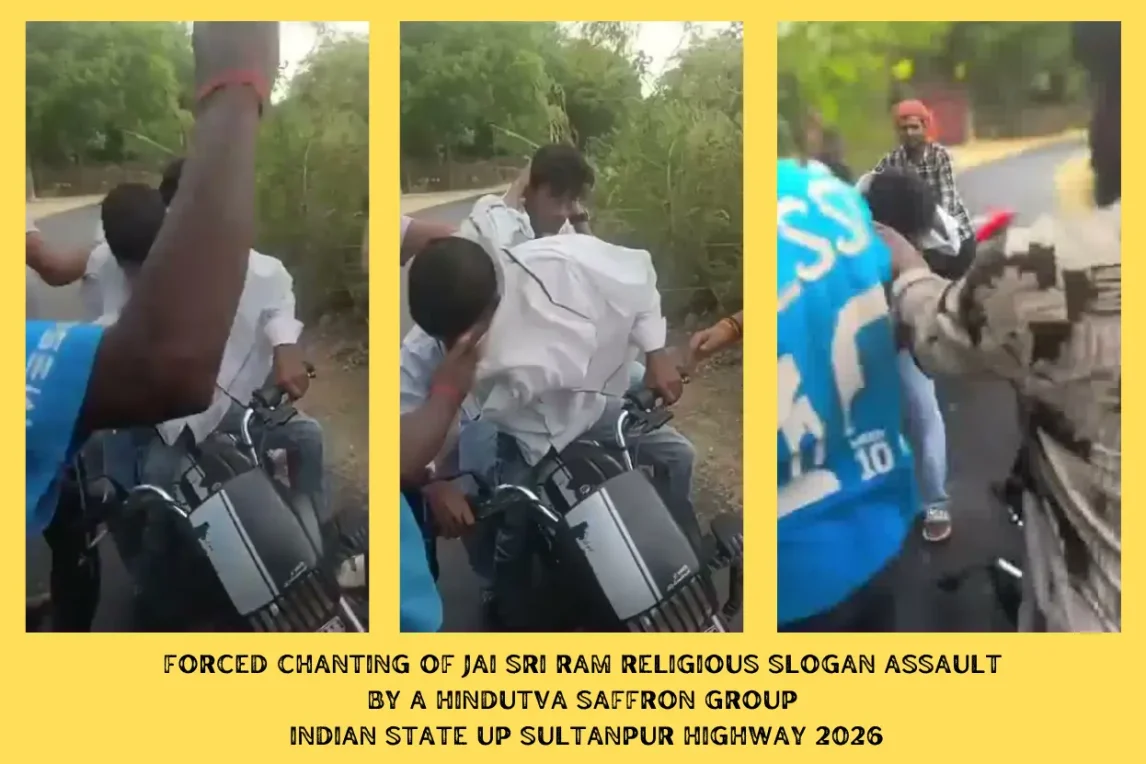
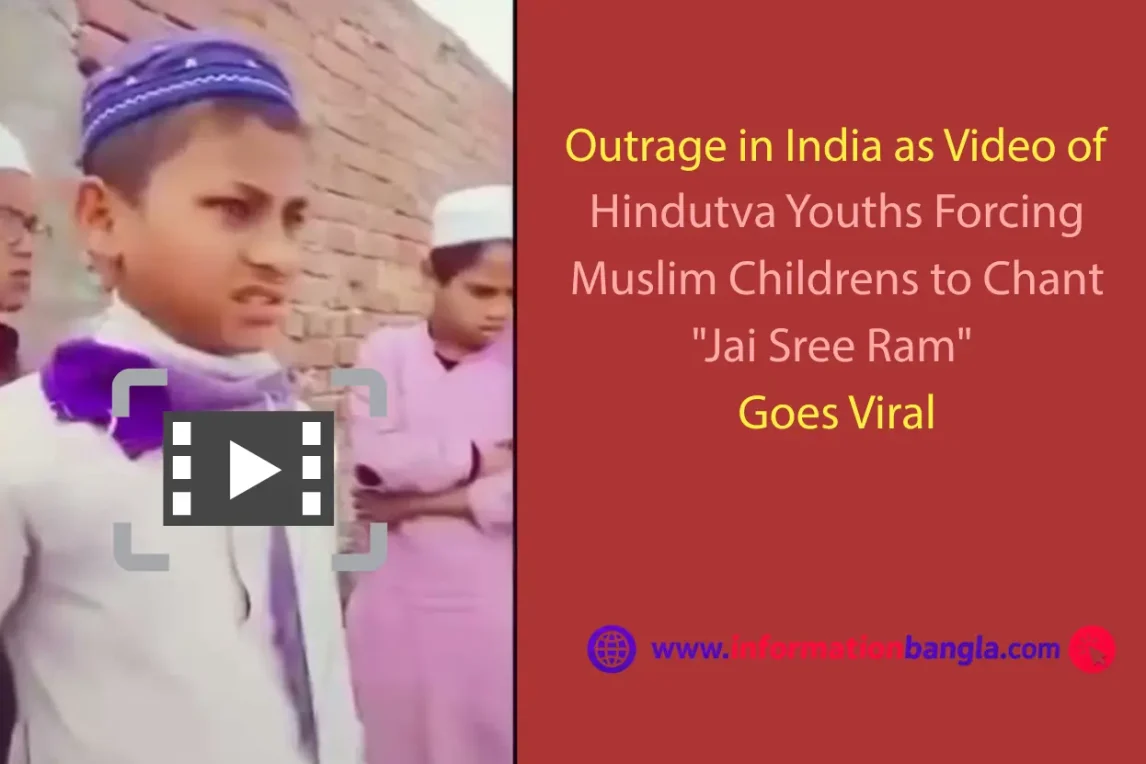
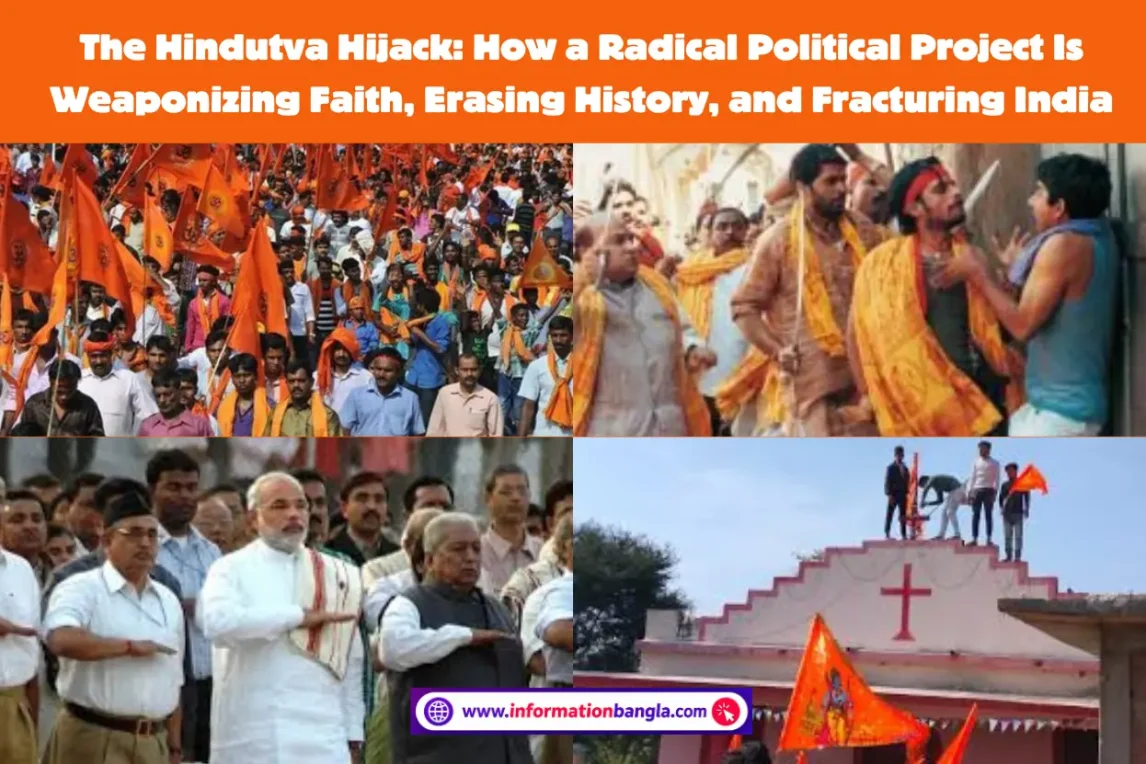
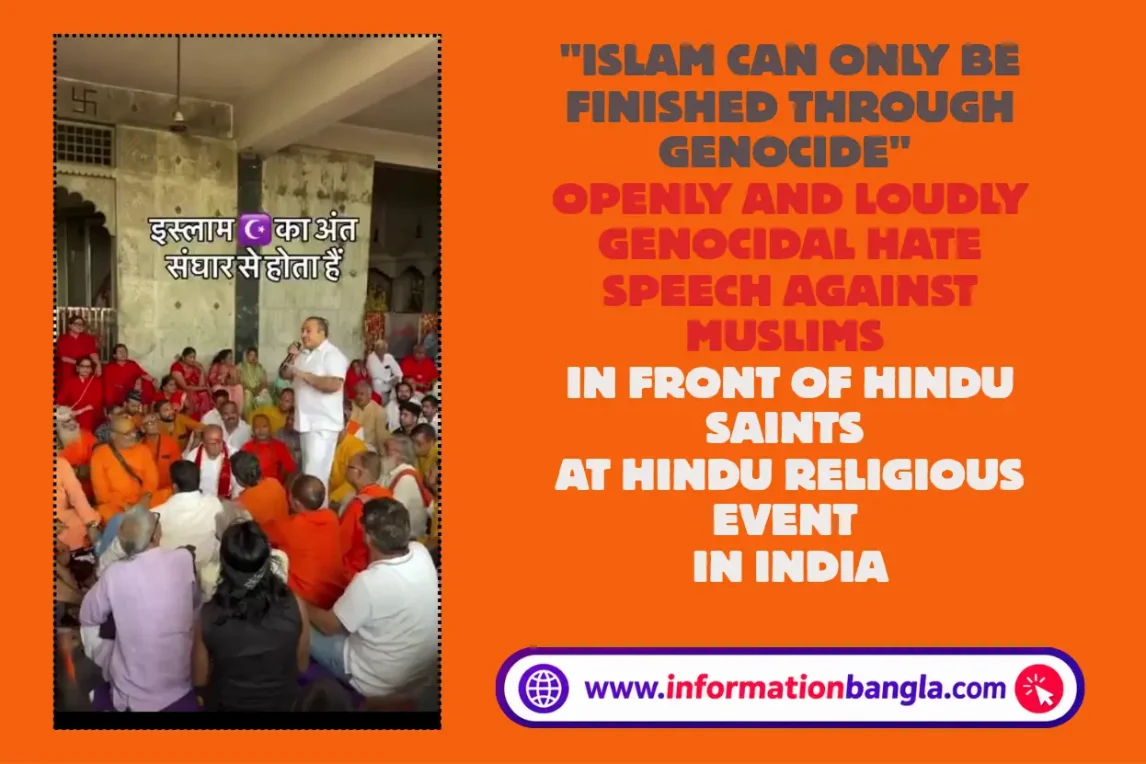
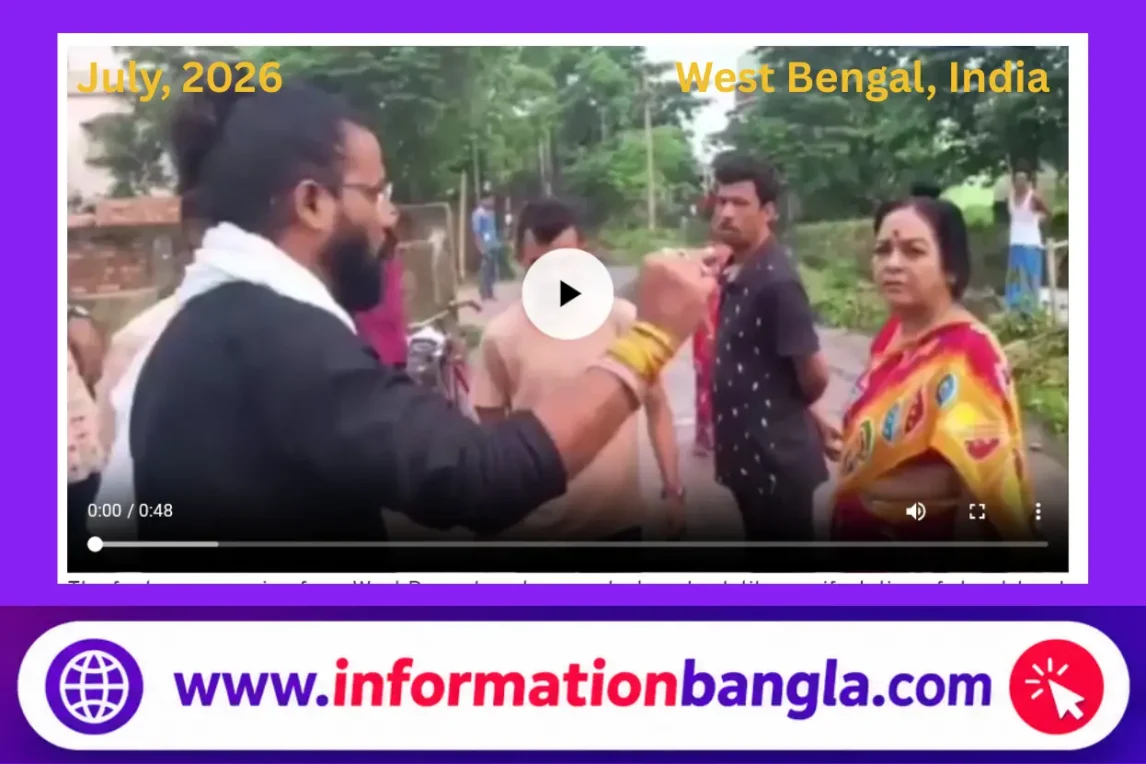
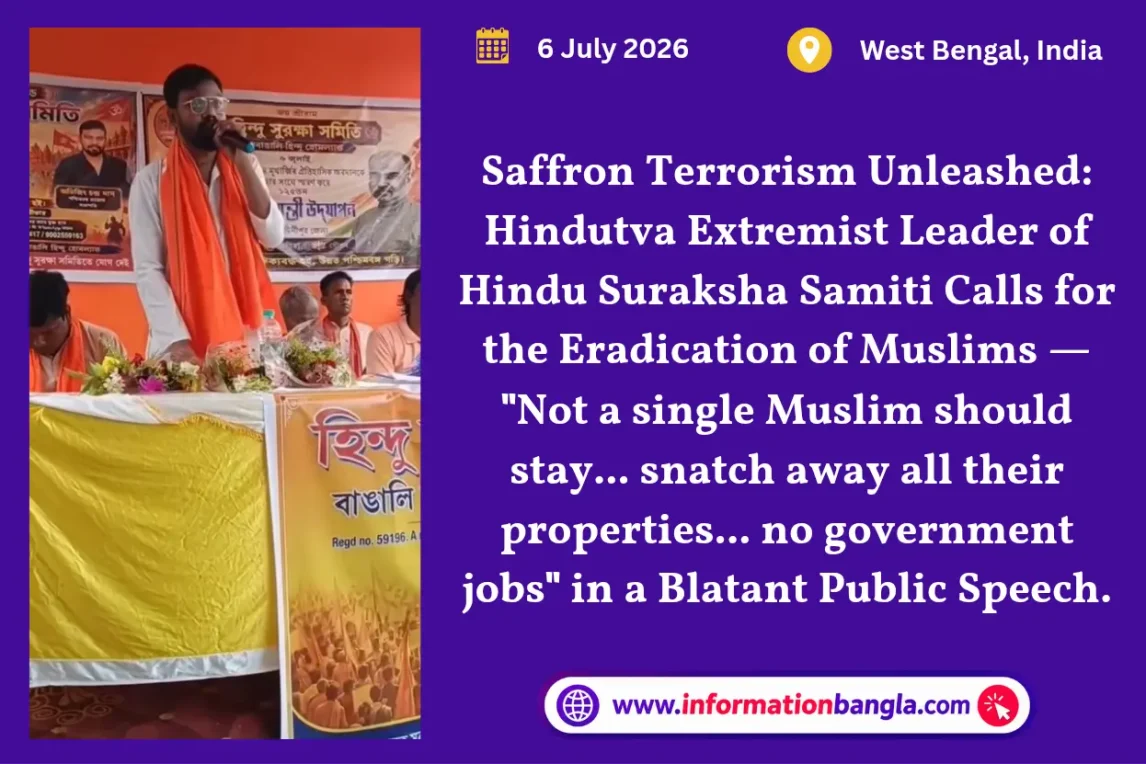
On the ground, this cultural shift is enforced by a well-organized network of right-wing youth organizations, primarily the BJP’s youth wing (Bharatiya Janata Yuva Morcha), the Bajrang Dal, and the Hindu Jagran Manch. These radicalized youth act as the “foot soldiers” of the Hindutva movement. Their activities extend far beyond agitating for name changes; they are instrumental in policing the daily lives of Muslims.
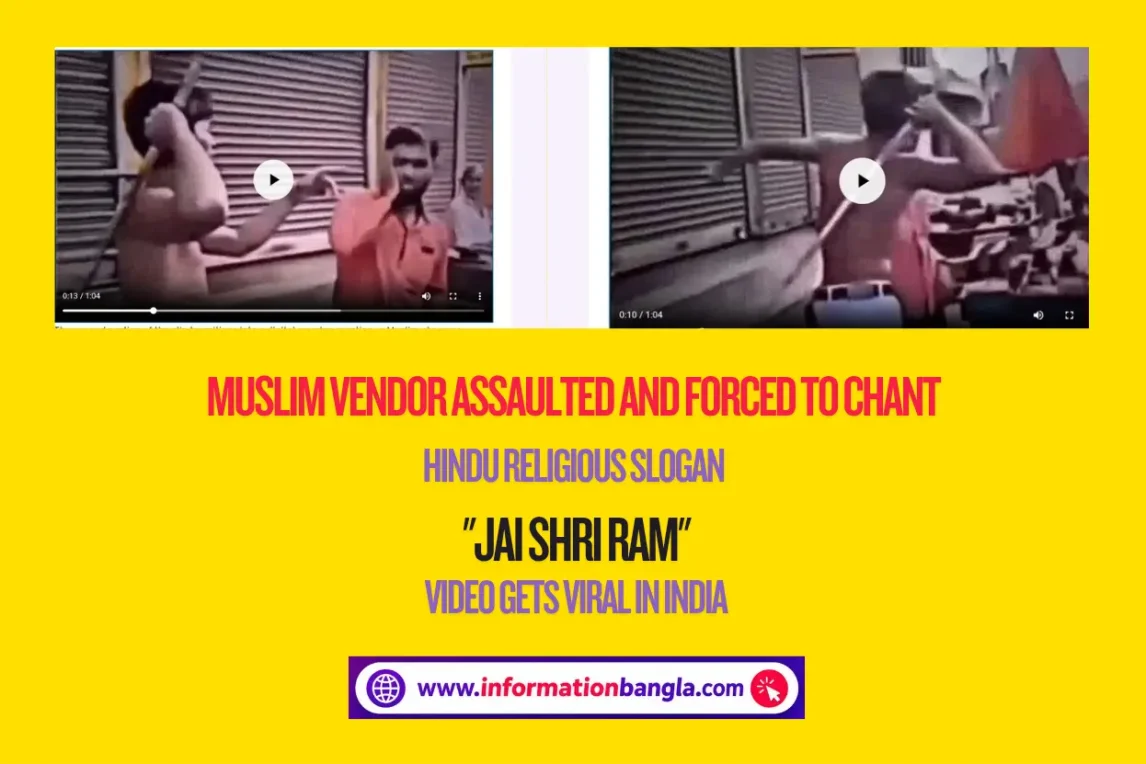
In BJP-ruled states, these groups operate with a high degree of state-sanctioned impunity. They routinely harass minorities, disrupt livelihoods, and, in the worst cases, carry out brutal public lynchings over minor pretexts, such as allegations of possessing beef or transporting cattle. Despite the horrific nature of these crimes, local law enforcement and political structures rarely take stringent punitive action against these youth, effectively normalizing violence against minorities.
Beyond physical insecurity, the structural marginalization of Muslims has accelerated through policy maneuvers-
Dietary Restrictions: In West Bengal, following the BJP’s rise, legal loopholes and administrative pressures have been utilized to effectively halt cattle slaughter, disrupting both dietary habits and the economic survival of those involved in the meat and leather trades.
Abolition of Affirmative Action: The crucial Other Backward Class (OBC) reservations that provided economically backward Muslims with access to higher education and government employment have been scrapped, closing off avenues for social mobility.
Economic Boycotts: The rhetoric from the leadership has turned explicitly exclusionary. During the election campaign, at least two senior BJP leaders openly exhorted Hindu voters to financially and socially boycott Muslims. Following the elections, some elected representatives went as far as publicly declaring that they would refuse to provide basic civic services to Muslim-majority neighborhoods.
The Contrast Across the Border: Toponymy in Bangladesh
To understand the unique radicalism of India’s current majoritarian trajectory, one can look at the contrasting reality in neighboring Bangladesh. While India systematically purges its Islamic heritage, Bangladesh—a country with an overwhelming Muslim majority—presents a fundamentally different approach to its public geography and historical names.
In Bangladesh, there is no organized political movement or state-sponsored machinery dedicated to erasing Hindu history or marginalizing the minority community through name changes. A vast number of major cities, towns, and vital installations across Bangladesh continue to bear the names of Hindu deities, kings, and historical figures.
Consider the following examples-
Dhaka: The capital city itself derives its name from the historic Dhakeshwari Temple (dedicated to the Goddess Durga).
Narayanganj and Gopalganj: Major districts named after Hindu deities and names.
Sitakunda, Thakurgaon, Debidwar, and Rampur: Cities and sub-districts steeped in Hindu mythological and cultural nomenclature.
Despite decades of complex political shifts, no mainstream political party or student wing in Bangladesh has ever launched a campaign to change the name of Narayanganj to “Mohammadganj,” or Rampur to “Islampur.” The idea of stripping a city of its historical name simply because it sounds Hindu is absent from the mainstream political discourse. There are no organized groups equivalent to the Bajrang Dal operating with state impunity to systematically terrorize minorities or enforce economic boycotts based on religion.
Deconstructing the Propaganda of Migration
This stark institutional difference sheds light on the events following the political transition in Bangladesh in August 2024. Following the fall of the Sheikh Hasina administration, sectors of the Indian establishment and the mainstream Indian media (often referred to as “Godi Media”) launched an intense, synchronized campaign alleging that Hindus in Bangladesh were facing existential, systematic violence.
West Bengal BJP leaders claimed that “10 million” (one crore) Bangladeshi Hindus were desperate to cross the border into India to save their lives. In response to these claims, New Delhi kept its borders highly monitored yet strategically open to project a narrative of an impending humanitarian crisis.
However, the reality on the ground completely debunked this narrative. Despite the sensationalist headlines in Delhi and Kolkata, virtually no migration took place. Not even one or two thousand Bangladeshi Hindus chose to leave their homeland during that period. The minority community in Bangladesh recognized the media frenzy for what it was: external political propaganda designed to serve domestic electoral narratives in India.
Furthermore, despite India’s sustained campaign over the last couple of years offering immediate citizenship to neighboring minorities under the controversial Citizenship Amendment Act (CAA), the expected exodus never materialized. The fact that the Hindu population of Bangladesh largely chose to remain in their homes demonstrates a fundamental trust in the social fabric of their country—a sharp contrast to the genuine, state-backed alienation currently being experienced by minorities across the border in India.
Toponymic Cleansing
This aggressive focus on rewriting geography—what scholars call toponymic cleansing—is a core pillar of the majoritarian project under BJP rule. It operates on the understanding that whoever controls the names of public spaces controls the national memory and identity.
By replacing historic names, the ruling dispensation systematically achieves three distinct political goals-
1. The Manufacturing of Historical Grievance
When cities like Allahabad or Faizabad are renamed, it is rarely presented as a mere administrative update. Instead, it is accompanied by highly charged political rhetoric. The original names are framed as symbols of “foreign occupation” or medieval tyranny. This strategy keeps a sense of historical victimization alive among the majority population, serving as a powerful tool for electoral mobilization.
The danger of this campaign, as highlighted by cases like Barkatullah University or Kolkata’s Mohammad Ali Park, is that it completely ignores the syncretic history of India. It draws a false, rigid binary: Hindu equals indigenous and patriotic, while Muslim equals foreign and oppressive. By erasing the names of Muslim freedom fighters, scholars, and local leaders, the narrative effectively signals that the minority community has no legitimate stake in the country’s past—and by extension, its present.
3. Normalization of Subjugation
When the state apparatus actively participates in erasing a community’s cultural markers from signboards, it sends a clear message to the ground-level “foot soldiers” (like the Bajrang Dal or Hindu Jagran Manch). It signals that the minority community is being structurally downgraded to second-class status. This psychological erasure in the public sphere frequently translates into physical and economic violence on the ground, as the legal and social protections for the targeted community are eroded.
Ultimately, this renaming spree is not about reclaiming history; it is an exercise in spatial politics meant to permanently alter the secular fabric of the nation, one signpost at a time.
Weaponization of Place Names
The weaponization of place names in India is not merely an exercise in historical correction; it is a forward-looking political strategy designed to establish a rigid hierarchy of citizenship. By erasing Muslim names—whether they belong to medieval kings or secular freedom fighters—the majoritarian state seeks to build a monocultural narrative that leaves no room for pluralism.
As South Asia navigates these turbulent waters, the contrasting approaches of India and Bangladesh toward their historical names offer a profound lesson. While one neighbor spends its energy rewriting history and dividing its society, the other demonstrates that historical nomenclature can coexist peacefully with modern national identity, proving that true sovereignty lies in preserving heritage, not erasing it.
Sagar Soren is a Staff Reporter for InformationBangla.com, specializing in ground-level investigative journalism and human rights. He is committed to delivering accurate, unbiased, and fact-based news.