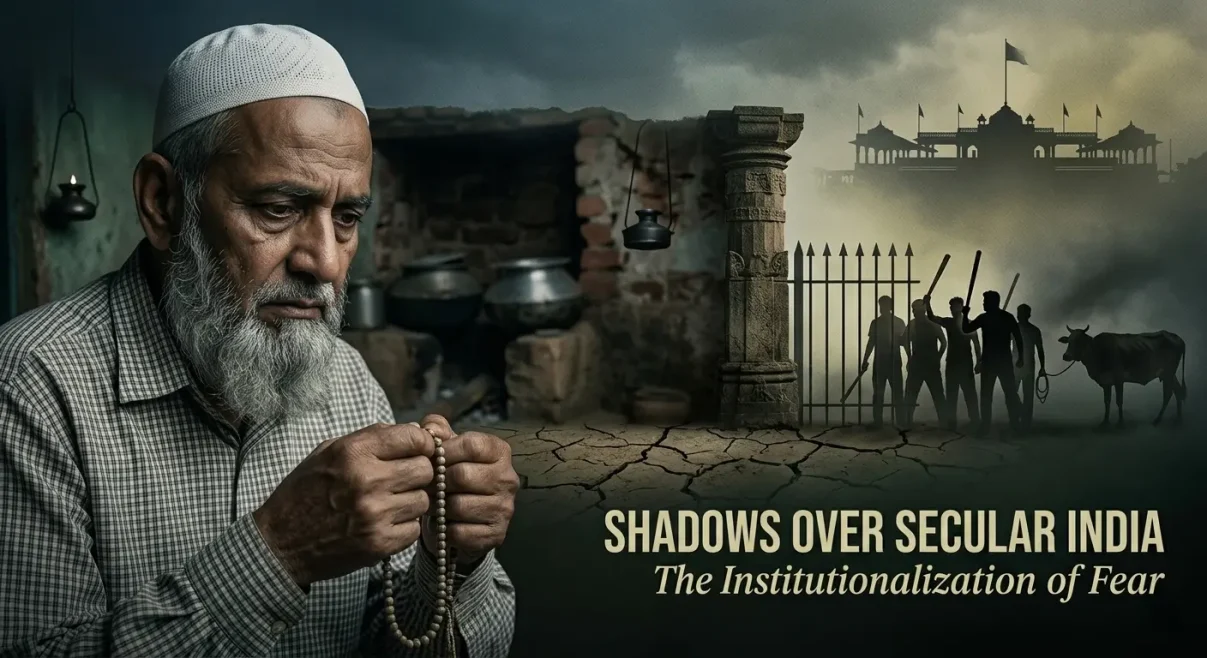
Performative Polarization and the Strain on India’s Secular Fabric
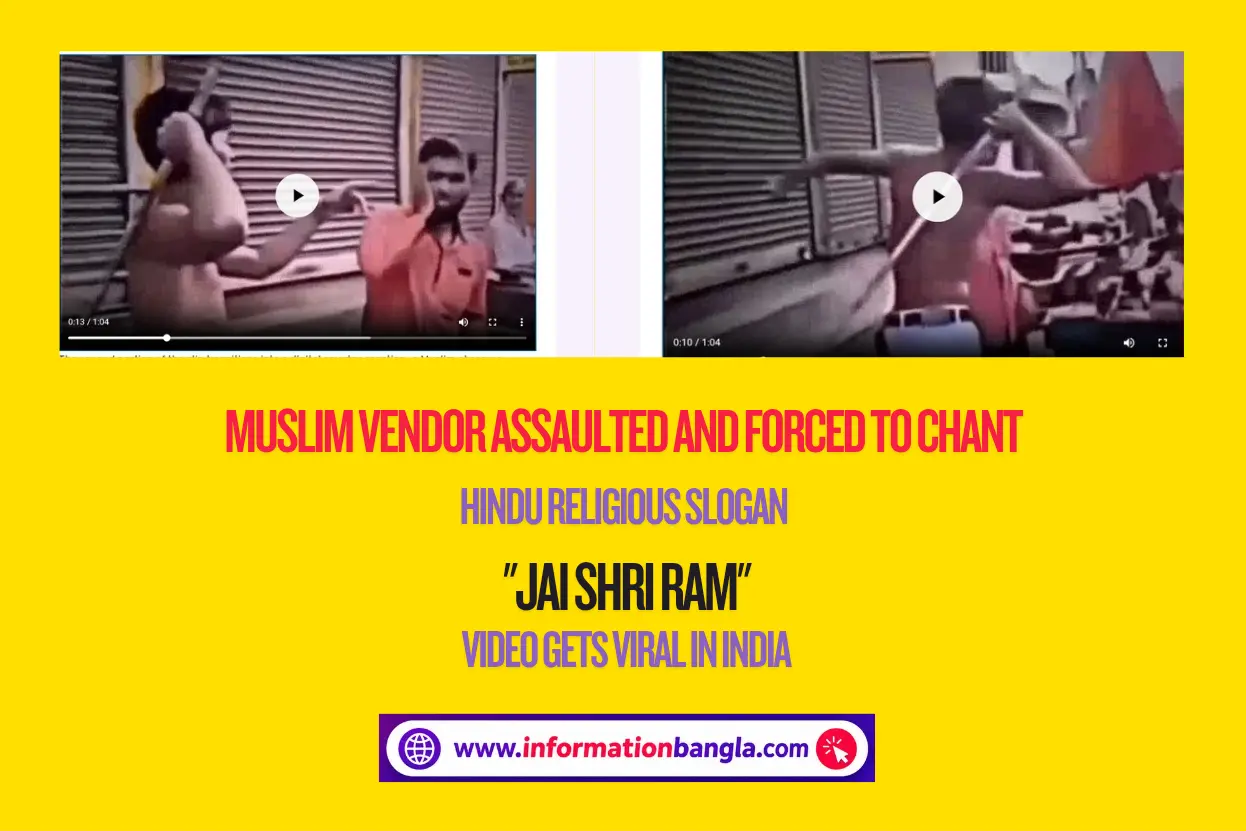
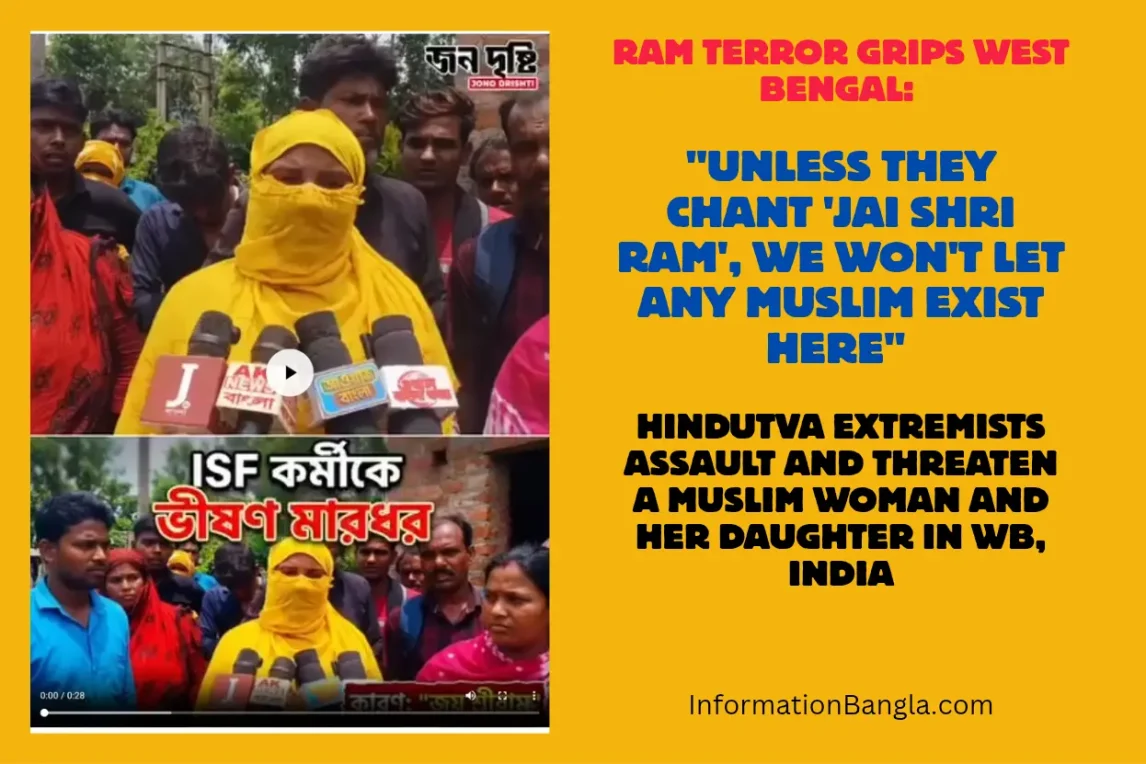
Watching the viral video clip of Muslim vendor assaulted and Forced to chant Hindu religious slogan “Jai Shri ram” evokes a visceral sense of discomfort and distress. It captures a scene that has become an unsettlingly recurring trope in modern India’s socio-political landscape. On one side stands an impoverished street vendor, his entire livelihood laid out on a modest cart, his posture inherently defensive, pleading, and vulnerable. On the other side is a shirtless young man, armed with a stick, embodying a raw, unchecked street-level aggression. The assailant aggressively demands that the vendor chant “Jai Sri Ram” and mocks his lack of familiarity with the Hanuman Chalisa, ultimately punctuating the harassment with a standard xenophobic directive: “Go to Pakistan.”
The second portion of the clip transitions into a digital counter-reaction—a Muslim observer expressing intense indignation, responding with sharp verbal retaliation, and warning the aggressor of the consequences should he encounter someone capable of physically fighting back. This entire sequence is not merely an isolated, localized altercation; it is a microcosm of a much larger, deeply complex malaise. It perfectly illustrates the performative nature of contemporary communal polarization, where sacred religious expressions are violently stripped of their spiritual grace to be weaponized on the streets as tools of intimidation, and where the digital sphere acts as an echo chamber that amplifies mutual resentment, pushing communities further apart.
A defining and highly disturbing characteristic of the incident captured in the viral video is that the assault was actively recorded by the extremist perpetrator himself. Rather than hiding their identities or committing acts of violence under the cover of darkness, contemporary street vigilantes frequently document their own lawlessness in broad daylight. This self-recording transforms a localized act of intimidation into a digital propaganda tool, explicitly designed to be shared and amplified across extremist Hindutva online networks. By broadcasting these clips, perpetrators seek to project absolute dominance, rally digital applause, and directly incentivize others to carry out similar copycat assaults in their own neighborhoods. This brazen willingness to publish evidence of their own criminal behavior underscores a profound and dangerous absence of fear, demonstrating that the attackers operate under the firm assumption that they are entirely insulated from legal consequences, state accountability, or formal punishment.
To analyze an incident like this through a serious journalistic lens requires looking beyond the immediate cruelty to understand its performative choreography. The phrase “Jai Sri Ram” (Victory to Lord Ram) possesses deep spiritual, cultural, and peaceful resonance for hundreds of millions of devout Hindus globally. Historically uttered as a serene greeting or an expression of personal devotion, its systematic transmutation by fringe, radicalized elements into a tool of targeted street intimidation represents a severe distortion of faith.
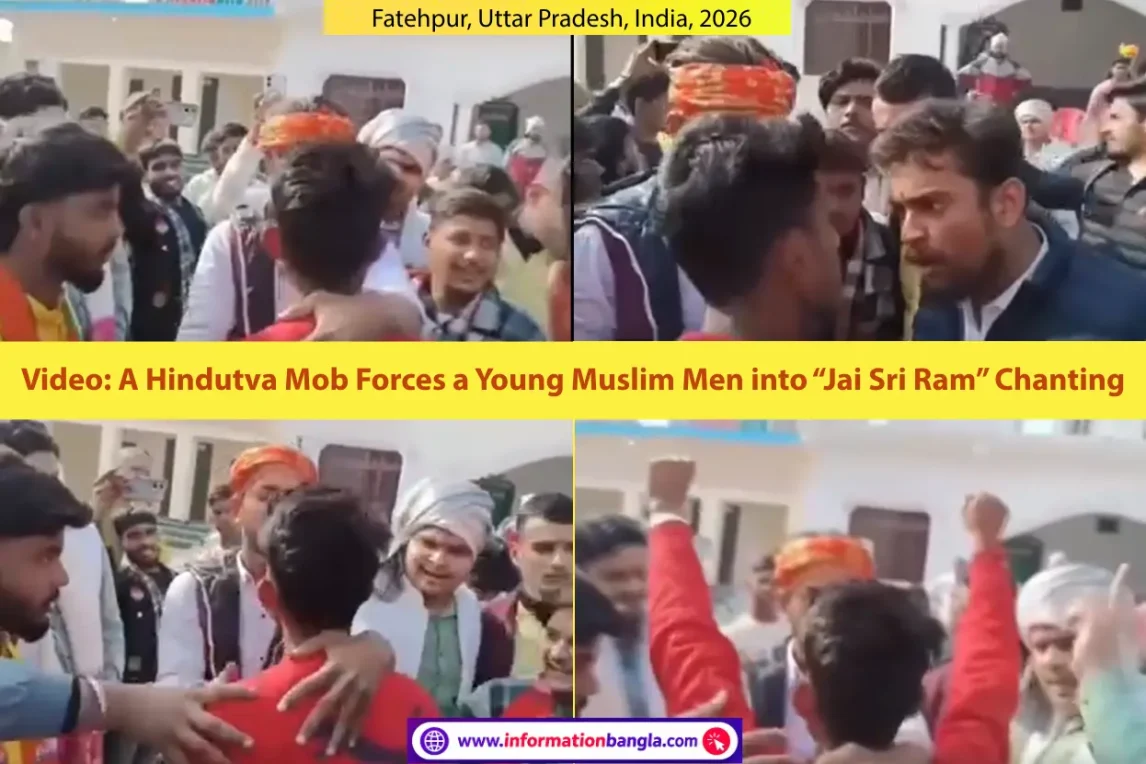
When a street vigilante forces an economically marginalized minority vendor to chant a religious slogan under duress, the objective is never religious conversion or the genuine propagation of piety. The true intent is the public extraction of submission. It is a performative display designed to assert majoritarian dominance over public spaces.
By recording these acts and disseminating them online, perpetrators seek validation within highly insular, radicalized digital ecosystems. This turns an act of localized micro-aggression into a macro-signal of fear aimed at an entire minority community. The psychological toll on the immediate victim, who must choose between his physical safety and his personal dignity, is immense, reducing his citizenship to a conditional status dependent on the whims of a radicalized passerby.
The Infrastructure of Impunity, Majoritarianism and Institutional Apathy
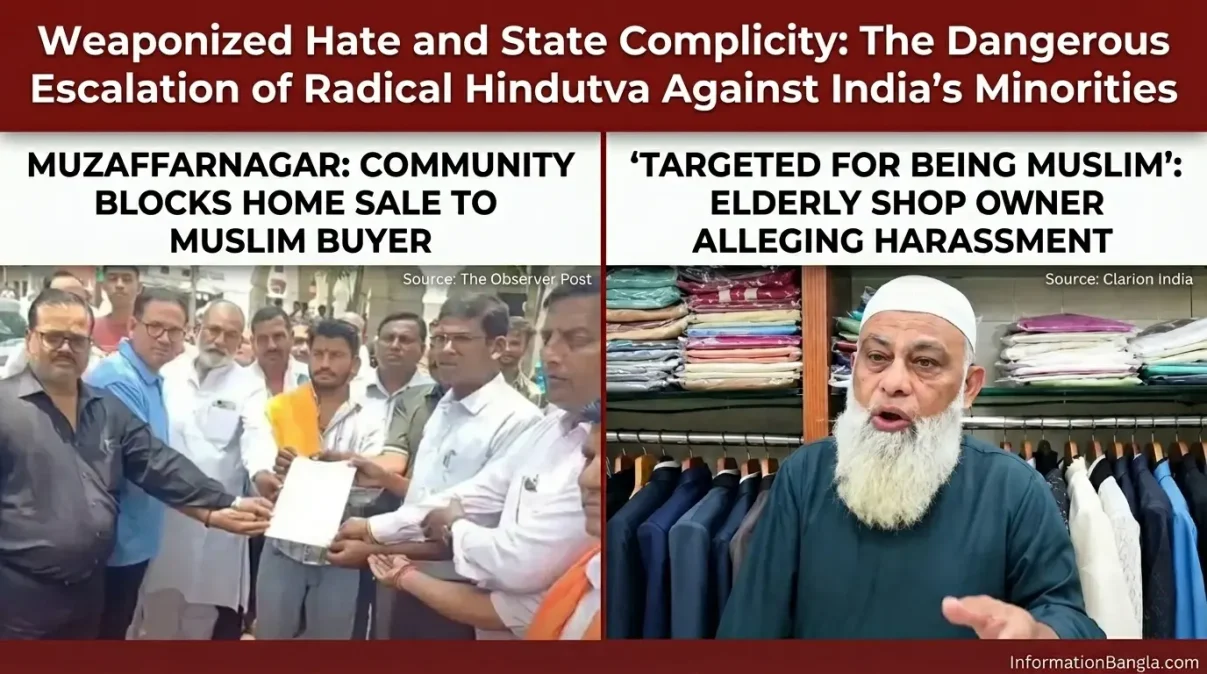
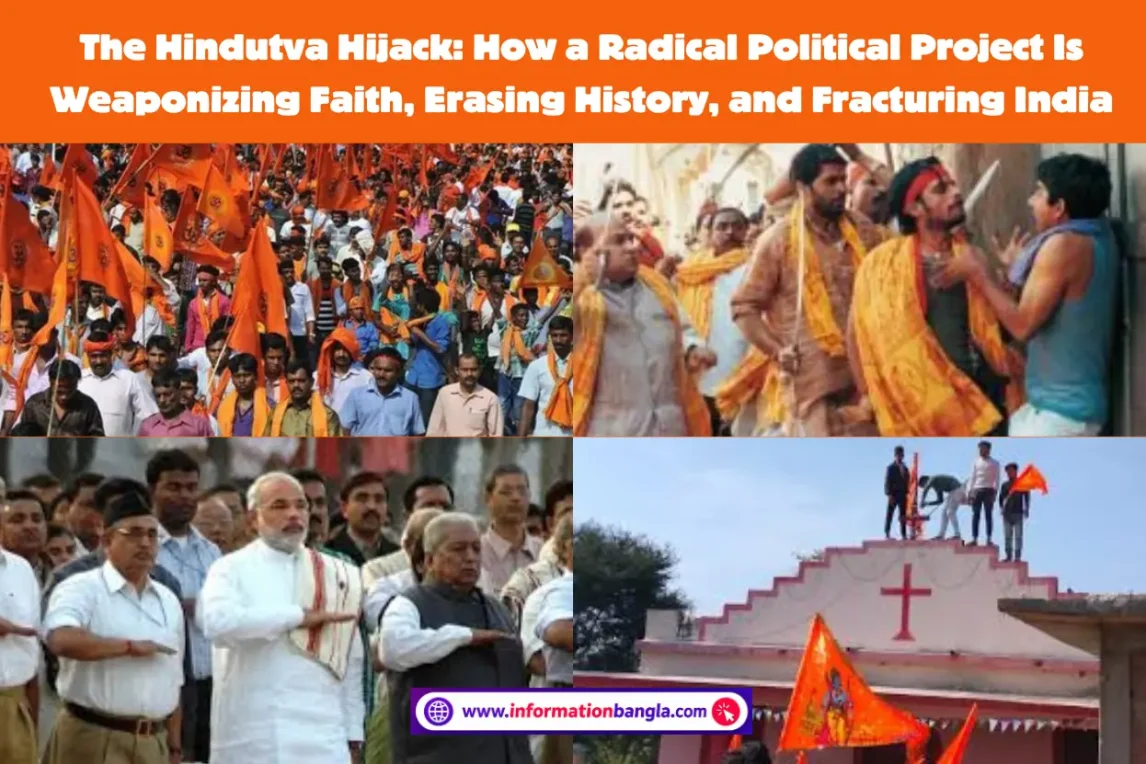
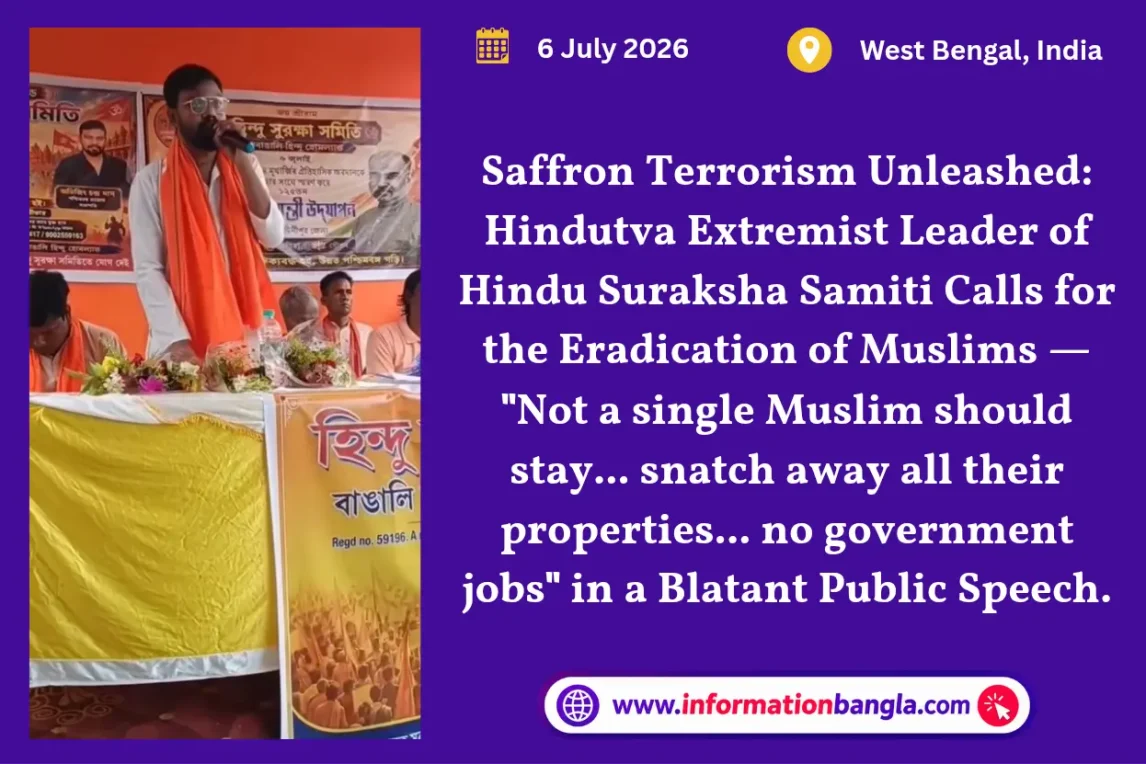
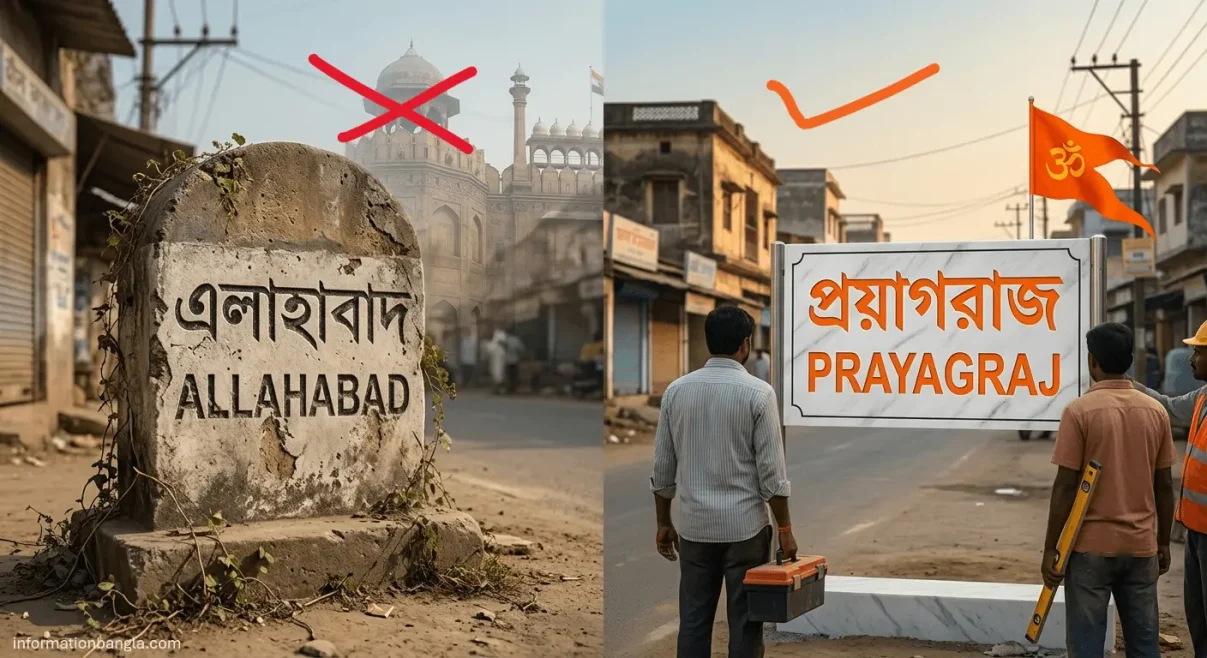
The fears regarding the structural environment that permits such actions are rooted in very real, documented developments on the ground. Over the past decade, the rise of right-wing majoritarian political narratives, often categorized under the broader umbrella of Hindutva politics, has significantly altered India’s societal and institutional landscape. While the official machinery of government frequently champions the rule of law on international platforms, the domestic reality often reveals a disturbing pattern of institutional apathy, selective policing, and a palpable culture of impunity.
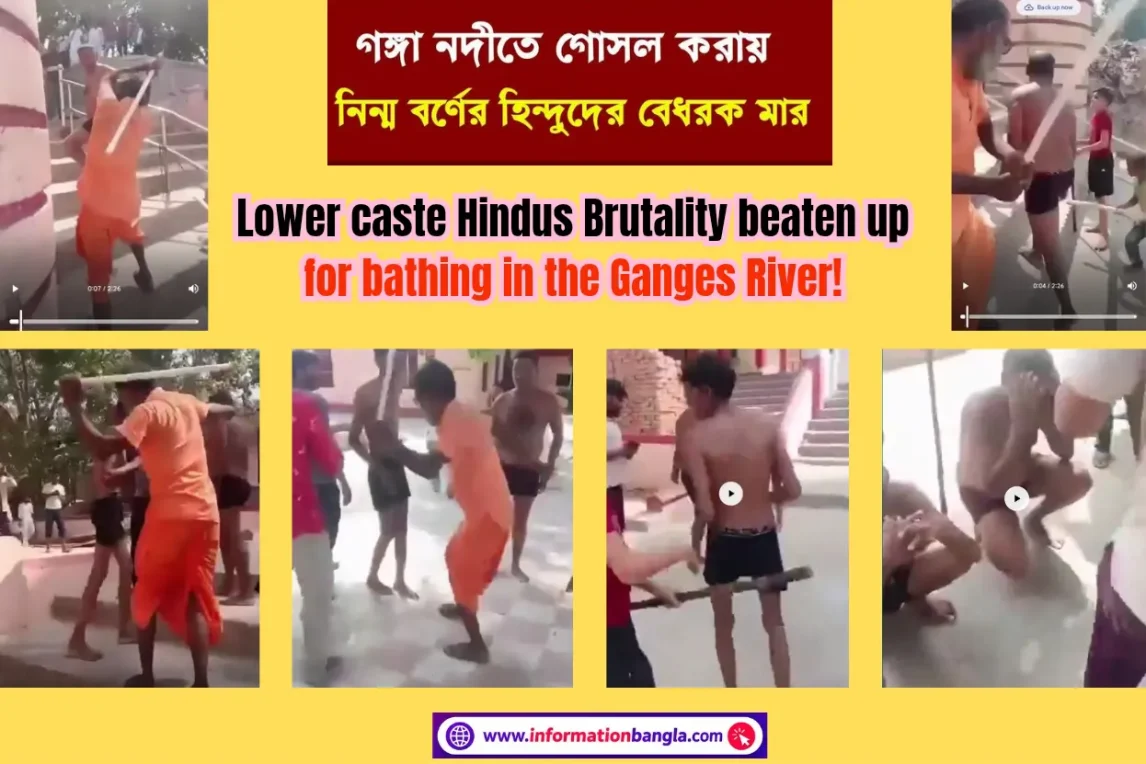
When fringe organizations, cow vigilantes, or self-proclaimed cultural defenders engage in targeted harassment without facing swift, unyielding legal consequences, it creates an atmosphere where the law of the land appears subordinate to majoritarian sentiment. In many instances, the legal process itself becomes uneven:
Victims from minority backgrounds frequently face bureaucratic hurdles, counter-cases, or a lack of immediate administrative protection.
Perpetrators are occasionally protected or even lionized by local political actors seeking communal consolidation.
Law enforcement agencies sometimes show a reluctance to act decisively against majoritarian aggressors unless public outcry forces their hand. This selective enforcement erodes trust in constitutional safeguards, signaling to extremist factions that they can operate with a high degree of confidence that the state will either look away or respond with minimal punitive measures.
A Critical Look at the Genocide Thesis
However, as journalists committed to objective truth, it is imperative to address the severe escalations in the argument with rigorous candor. The claim that India has entered the “8th stage of genocide” or that the vast majority of the Hindu population possesses an extremist mindset desiring the violent eradication of their fellow citizens represents a massive over-generalization that misinterprets the complex, multi-layered reality of Indian society.
The “stages of genocide” framework, famously formulated by academic Gregory Stanton, serves as an analytical warning system for human rights monitors to identify dangerous societal trends, such as polarization, dehumanization, and systemic discrimination. While human rights groups and international watchdogs have rightly sounded alarms regarding the escalating use of hate speech, discriminatory localized policies, and targeted economic boycotts against Muslims in India, declaring that a state-sponsored, nationwide genocide is actively underway distorts the actual structural dynamics of the country.
India is a massive, highly pluralistic subcontinent comprising 1.4 billion individuals across 28 states and 8 union territories, each with entirely distinct political, linguistic, and cultural ecosystems. To assert that the entire population or even the majority of Hindus harbor a violent, extremist mindset is fundamentally inaccurate.
Such a claim completely erases the millions of Hindus who actively stand at the absolute forefront of the resistance against majoritarian bigotry. These include:
Civil society activists and independent journalists who risk their lives to document hate crimes and expose political complicity.
Human rights lawyers and judicial figures who consistently fight to uphold constitutional protections for minorities in local and supreme courts.
Ordinary citizens who routinely cross communal divides to protect, support, and defend minority communities during times of local crisis.
The Self-Sustaining Cycle of Counter-Radicalization
The latter portion of the video clip illustrates another highly critical aspect of this social friction: the inevitability of reactive anger. The verbal response from the commentator, warning the assailant of physical retaliation and asserting defensive strength, highlights how unchecked majoritarian aggression naturally breeds counter-radicalization and defensive militancy.
When marginalized communities perceive that formal state institutions—such as the police and the judiciary—fail to guarantee basic safety, dignity, and economic freedom, the vacuum of trust is inevitably filled by aggressive rhetoric. This cycle is precisely what extremist elements on both sides of the religious spectrum exploit.
Every video of a defenseless vendor being assaulted fuels a narrative of absolute victimhood and existential threat within the minority community, which can be leveraged by conservative or radical factions to advocate for insularity or retaliatory postures. Conversely, the majoritarian ecosystem weaponizes these angry minority responses to validate their false narrative of a “majority under threat,” thereby creating a self-sustaining loop of polarization that completely erodes the possibility of civic dialogue and peaceful co-existence.
Economic Marginalization Is The Silent Subtext of Strife
Beyond the theological and political dimensions of these confrontations lies a stark economic reality. Street vendors, daily wage laborers, and small-scale traders form the economic backbone of India’s massive informal sector. Attacks on minority vendors are frequently intertwined with covert economic warfare. In recent years, several localized campaigns by right-wing outfits have explicitly called for the economic boycott of Muslim-owned businesses, halal products, and festive stalls.
By targeting a vendor’s right to earn a livelihood in a public space, aggressors seek to relegate minority communities to a marginalized, secondary economic status. When a shoe vendor is told he cannot operate unless he conforms to the religious demands of a passerby, his fundamental right to live with dignity and pursue a profession—as guaranteed under Article 19 of the Indian Constitution—is directly violated. Economic disenfranchisement is a quiet but devastating form of systemic violence, as it strips families of their self-reliance and deepens structural inequalities without necessarily making headlines in the way physical violence does.
Reclaiming Accountability and Constitutional Safeguards
India stands at a critical historical juncture where its founding commitment to a secular, pluralistic democratic republic is being severely tested by majoritarian currents. The video serves as a painful reminder of the human cost of unmonitored bigotry on the streets. However, the path forward does not lie in adopting a fatalistic narrative of inevitable genocide, nor does it lie in painting an entire multi-religious population with a broad brush of hatred.
The preservation of India’s social fabric requires an unyielding reclamation of institutional accountability. The judiciary, independent media, and civil society must continue to demand that hate crimes are met with swift, impartial justice under the law, regardless of the political affiliations of the perpetrators. Only when the state demonstrates that a citizen’s safety is completely uncompromised by their religious identity can the weaponization of sacred phrases be halted, and the true, pluralistic essence of the nation be restored.
Sharing accurate and reliable information is the job of the Information Bangla editorial desk. The editorial team thoroughly verifies the sources of each article so that you, as the reader, get accurate information. We don't just provide information, we ensure its authenticity and reliability. This team has been doing its job faithfully for five long years.